FAB-497098243
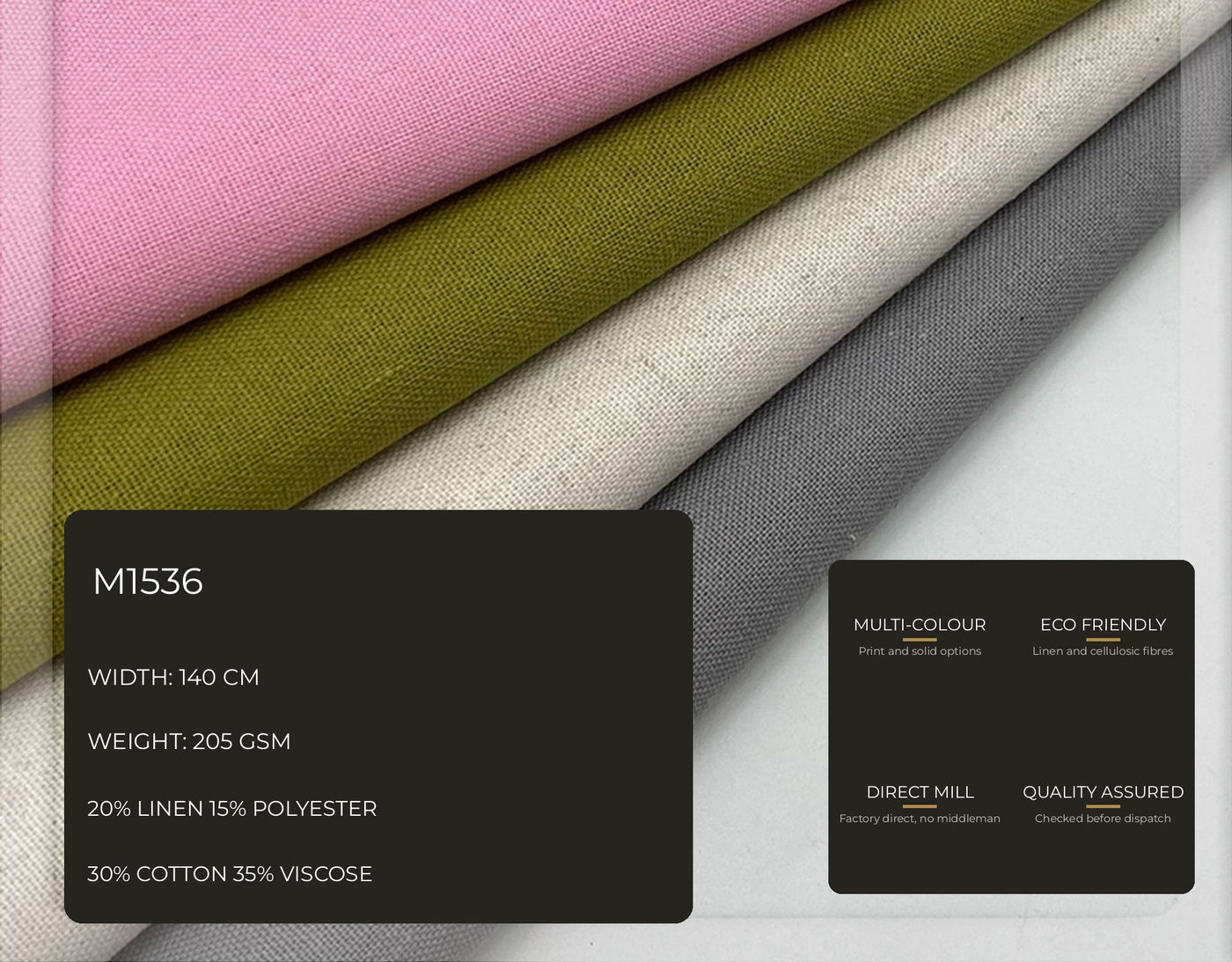
M1536 20% Linen 15% Polyester 30% Cotton 35% Viscose Blend Fabric 11S 205 GSM 140cm Width – for Trousers, Dresses and Casual Wear
Quote required
Contact us for the latest price and availability.
- Composition
- 20% Linen 15% Polyester 30% Cotton 35% Viscose
- Weight
- 205 GSM
- Width
- 55 inches
- Weave
- Plain weave
- Category
- Linen Fabric Wholesale / Linen Solid Color Dyed Fabric / Woven
- MOQ
- Negotiable
Sampling & delivery
Build your sample selection, then download a sourcing brief. Ordering, stock and delivery will be enabled after the store information is confirmed.
FABRIC STORY
Product details
| SHAOXING HENGHUI TEXTILE CO., LTD. | ITEM NO. M1536 LINEN-COTTON · 4-FIBRE BLEND · 11S · 205 GSM |
Linen Cotton Blend 11S
140 CM
11S YARN
20% LINEN / 15% POLY / 30% COTTON
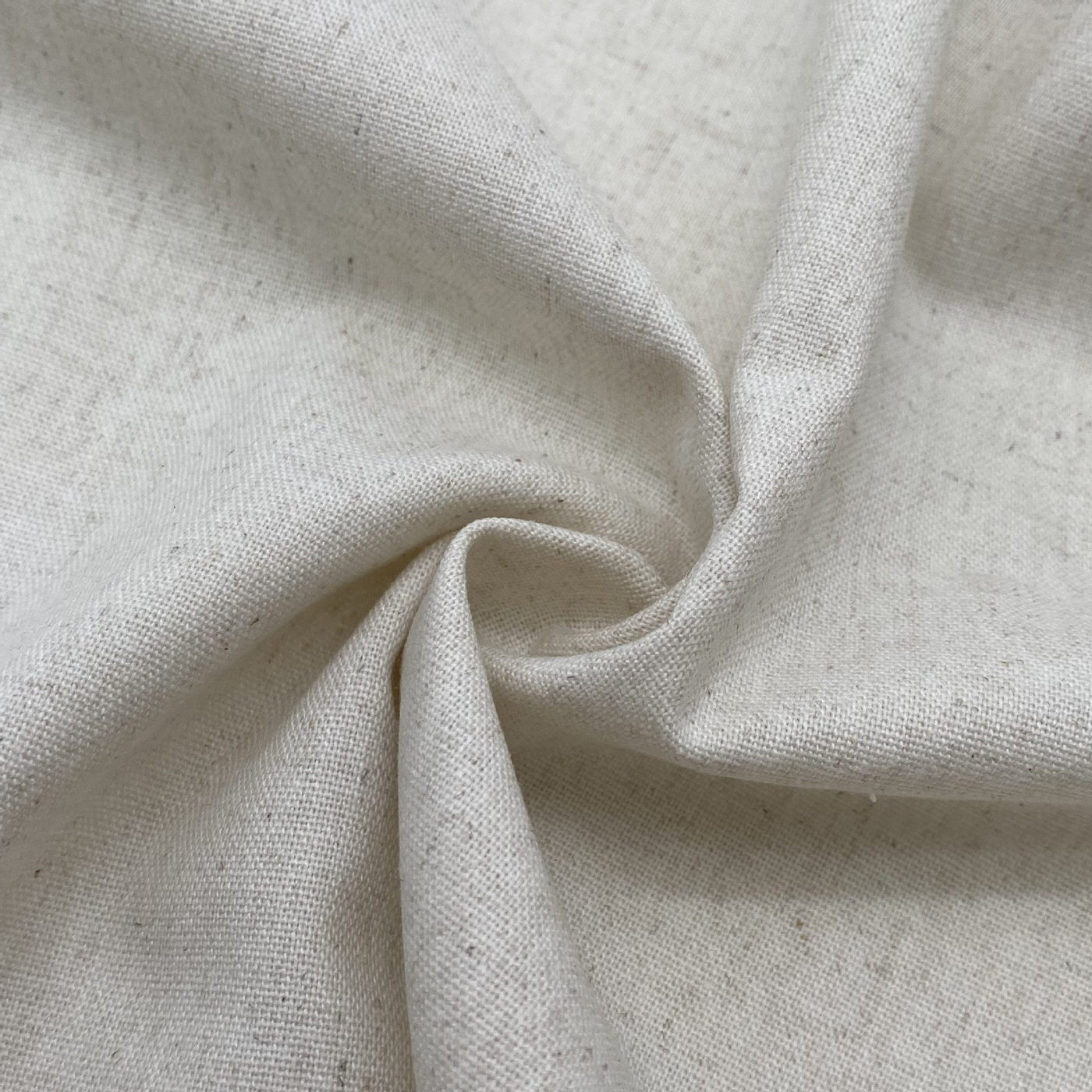
Item M1536 is a woven four-fibre blend — 20% linen, 15% polyester, 30% cotton and 35% viscose — in the 11s × 11s plain weave, finished at 205 GSM and 140 cm wide, supplied both printed and solid dyed. What distinguishes this construction is that no single fibre holds more than a third of the cloth. It is not linen with a softener, and it is not a synthetic pretending to be natural: the flax brings the hollow-lumen airflow, the dry hand and the irregular natural texture; the cotton brings softness against the skin and absorbency; the viscose brings the fluid drape and the deep, even color that flax alone cannot take; the polyester brings shape retention, abrasion resistance and the wrinkle behaviour that make the cloth survive repeated washing.
It is also worth saying where this cloth comes from. The construction is built on the 5147 specification — the numbers in which come from thread counts per inch, and which has been spun in cotton mills for decades as a linen-cotton plain weave, typically at 11s yarn with a density around 51 × 47. That is a working, understood specification with existing tooling, not an experimental recipe. At 205 GSM it sits above the shirting weight and inside the light-tailoring range: heavy enough to hold a wide-leg trouser away from the leg and give an unlined jacket a shoulder line, light enough to stay comfortable through a warm day. Because it is supplied printed as well as solid, one fabric can carry a whole season of pattern across trousers, shirts and jackets.
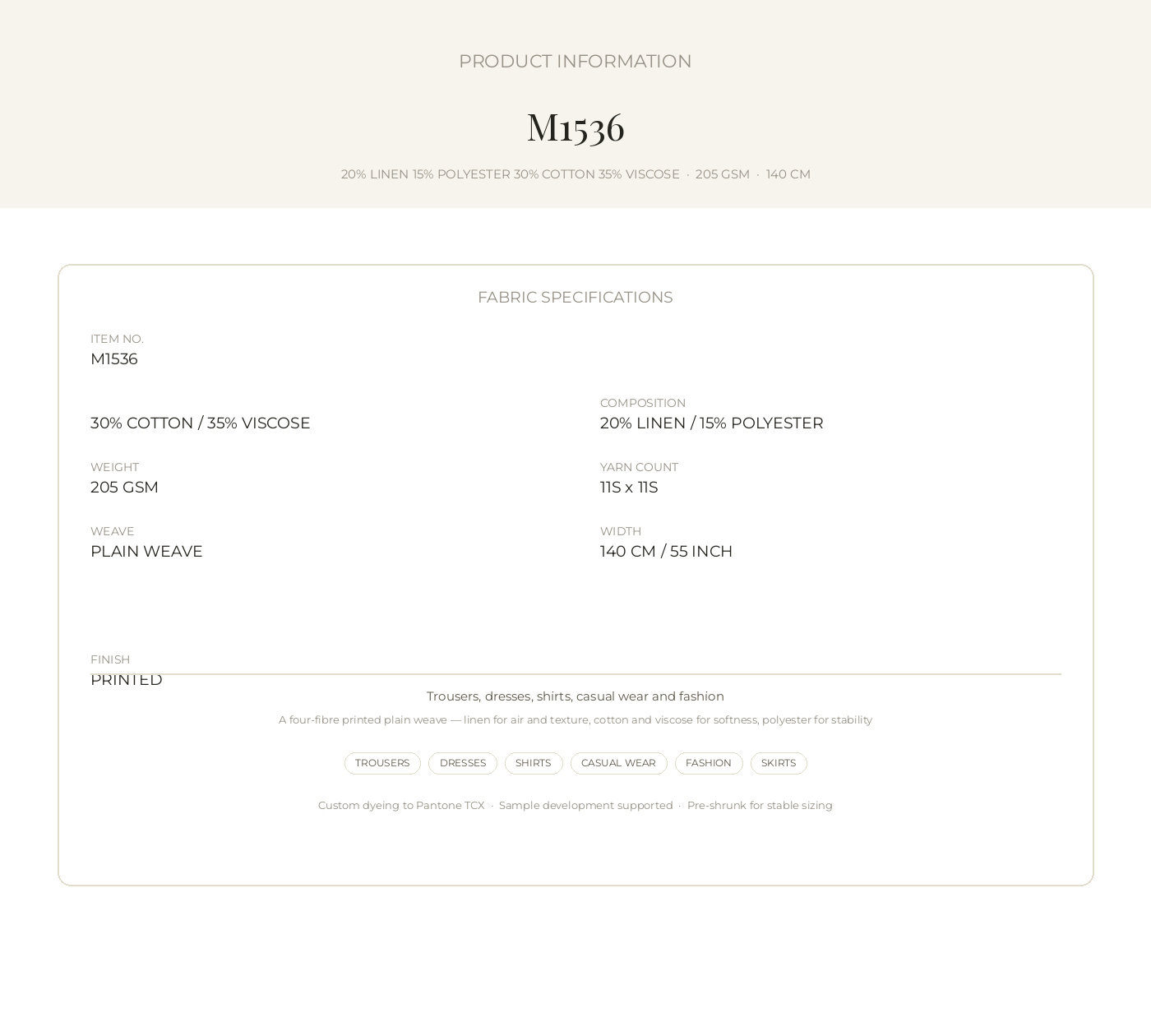
| Specification | Item M1536 |
| Item No. | M1536 |
| Composition | 20% Linen, 15% Polyester, 30% Cotton, 35% Viscose |
| Yarn Count | 11S × 11S |
| Weight | 205 GSM |
| Width | 140 cm / 55 inch |
| Weave | Plain weave |
| Construction | 5147 linen-cotton based |
| Finish | Printed or solid dyed |
| Season | Spring / Summer |
Five properties decide how this cloth behaves in wear. Because this is a four-fibre construction with no dominant component, the useful question is not what the blend is but which fibre carries which part of the performance — and being straight about where the construction is weaker than a single-fibre cloth.
Where this weight sits. At the heavy end of the range. There is enough body here to hold a line in a trouser or an unlined jacket, and enough weight for the cloth to hang rather than cling. That makes it the natural choice for trousers, jackets, structured dresses and tailoring — and the honest trade-off is that the viscose component is weaker when wet, so it asks for a gentle wash, and with 20% linen it cannot be sold as a flax-led cloth.
Most blends in this range are a negotiation between two fibres: linen against softness, or linen against durability. This one is different, because no fibre in it holds more than 35%. The 20% flax brings the hollow-lumen structure that moves moisture away from the skin, the dry hand and the irregular natural texture. The 30% cotton brings softness against the skin and absorbency. The 35% viscose brings the fluid drape and the deep, even color that flax alone cannot take. The 15% polyester brings shape retention, abrasion resistance and the wrinkle behaviour that keep the cloth looking the same after the twentieth wash. No fibre is doing the work alone, and no fibre is carrying the compromise either.
This construction is built on the 5147 specification — one of the oldest in the Chinese linen trade. The numbers in the name come from thread counts per inch, and the cloth has been spun in cotton mills for decades as a linen-cotton plain weave, typically at 11s yarn with a density around 51 × 47. That history matters for a buyer: this is not an experimental recipe. The tooling exists, the quality expectations are understood, and a factory can run it without developing a new process. For a brand that wants the linen look without the linen risk, a specification with that pedigree is worth more than a novel one.
This cloth is supplied printed as well as solid dyed, and the blend is genuinely good at print. Cotton and viscose take reactive and pigment dyes evenly and hold a pattern crisply; the flax in the yarn keeps a printed surface from reading as flat synthetic cloth, because the texture of the weave still shows through the print. For a brand developing a seasonal print range this is often the deciding question — whether the fabric can carry a print at all, and whether that print will still look like cloth after it has been washed a dozen times. Here it does, and the cotton content gives the color the depth to stay vivid.
At 205 GSM in an 11 × 11 plain weave this sits above the shirting weight and inside the light-tailoring range — thick enough to hold a wide-leg trouser away from the leg and to give an unlined jacket a shoulder line, light enough to stay comfortable through a warm day. It is the weight a brand reaches for when it wants one fabric to cover trousers, shirts and unstructured jackets in the same delivery, and it is why the polyester share is worth having: the cloth keeps its shape, does not go limp after a season of washing, and the size approved on a washed sample is close to the size that ships. For a printed programme, that stability is what makes a repeat order land properly.
Three things should be said plainly. First, with 20% linen this is not a flax-led cloth and cannot be marketed as one — it is a balanced multi-fibre construction that has the look and the hand of linen without the fibre content to back a pure-linen claim. Second, the viscose component is weaker when wet, so it asks for a cold, gentle wash and a line dry, and hot washing or a rough drum load is what will make it go slack. Third, the polyester content means it will not biodegrade, and the cloth carries the fibre-content disclosure that a four-fibre blend requires in the EU and US — which is straightforward to state accurately here, since no fibre dominates. What it is: the most balanced construction in the range, printable, stable, and usable across more than one season, at a weight that covers more garment types than any single-fibre cloth in this guide.
At 205 GSM and 140 cm this is the weight that crosses from shirting into light tailoring, and it is the point where one fabric can cover a whole delivery of garments rather than a single category. Because it is supplied printed as well as solid, the same construction can carry a plain core range and a seasonal print range at once — which is the reason to specify it this way rather than as a single fabric.
This is the core use, and the reason for the weight and the width. At 205 GSM a 140 cm cloth has enough body to hold a wide-leg trouser away from the leg and to give an unlined jacket a shoulder line, while the viscose content lets both hang with a fluid line rather than a stiff one. The 140 cm width gives efficient marker making for long panels, and the polyester share is what keeps the size approved on a washed sample close to the size that ships — the question that decides whether a repeat order lands properly. For a skirt or a pleated dress, the same fluid drape does the work.
The cotton and viscose content is what makes this cloth work next to the skin, and that is where the 20% linen still earns its place: the flax keeps the hand dry and the surface from feeling slick, so a dress or a shirt stays comfortable in heat instead of turning into a synthetic against the body. Because the blend takes dye and print evenly, a printed version holds a crisp pattern through repeated washes — which is what makes it usable for a dress range rather than only for separates.
The same balance works off the body. A printed version makes a ready-made cushion cover or a table runner that can be washed without the pattern fading or the cloth going limp, and the 205 GSM gives enough body to hold a shape rather than draping flat. For a brand doing a printed home range on the same cloth as its apparel, that continuity is worth having: one fabric, one care instruction, one story.
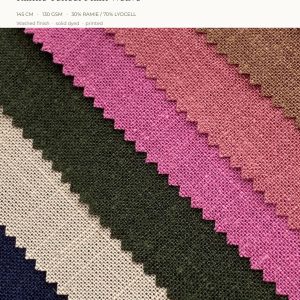
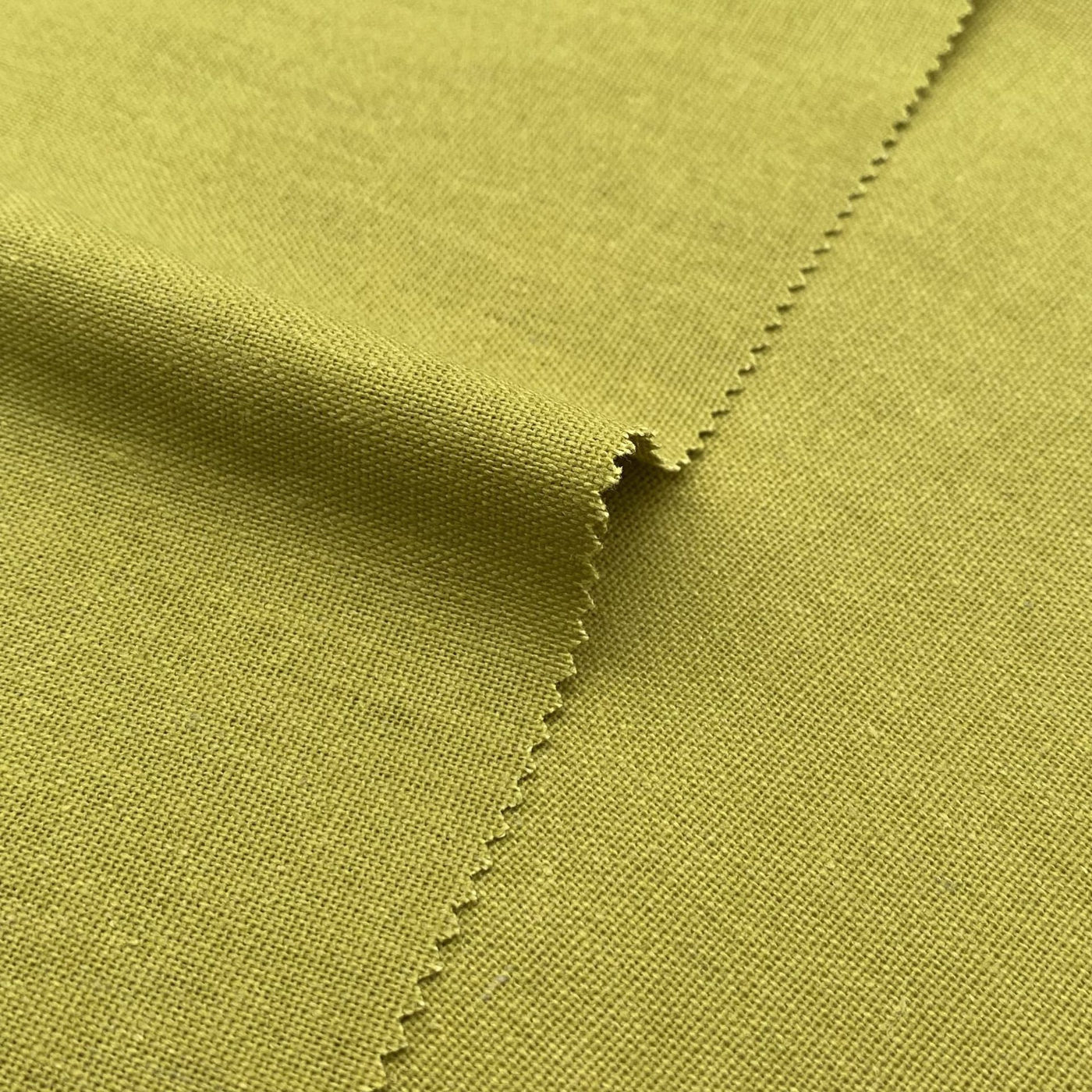
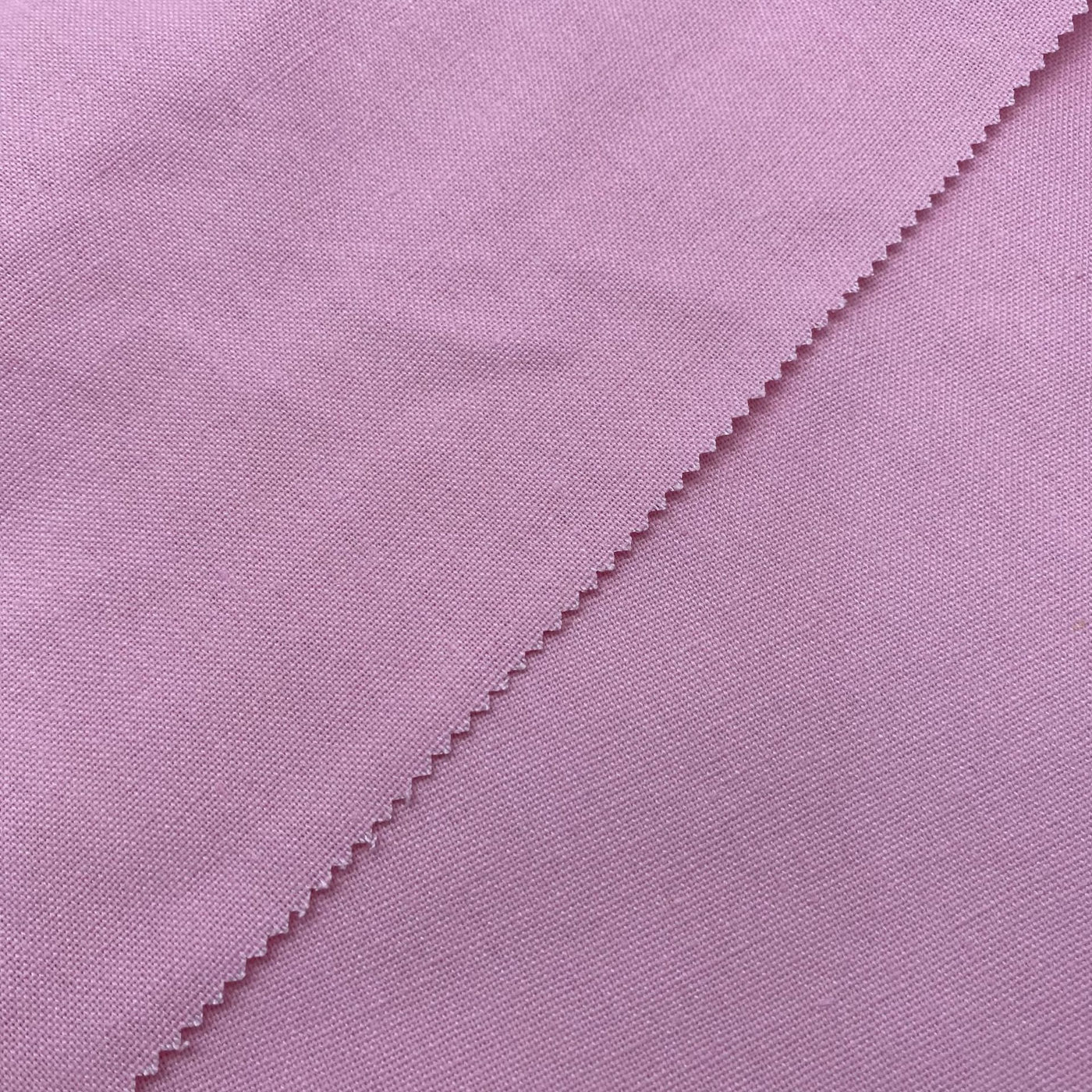
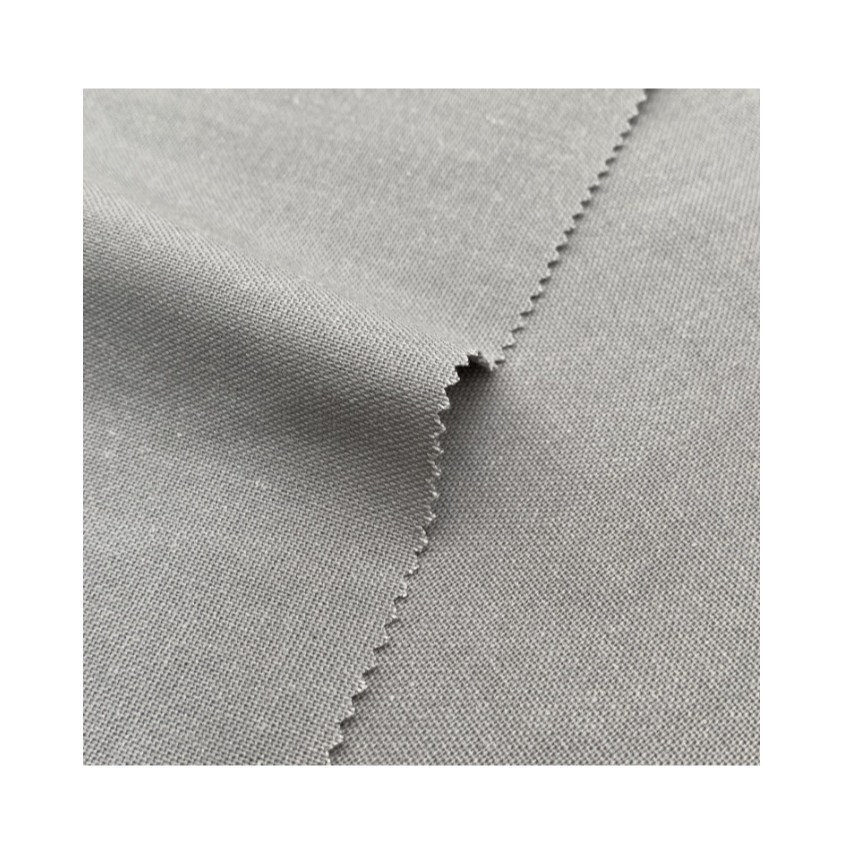
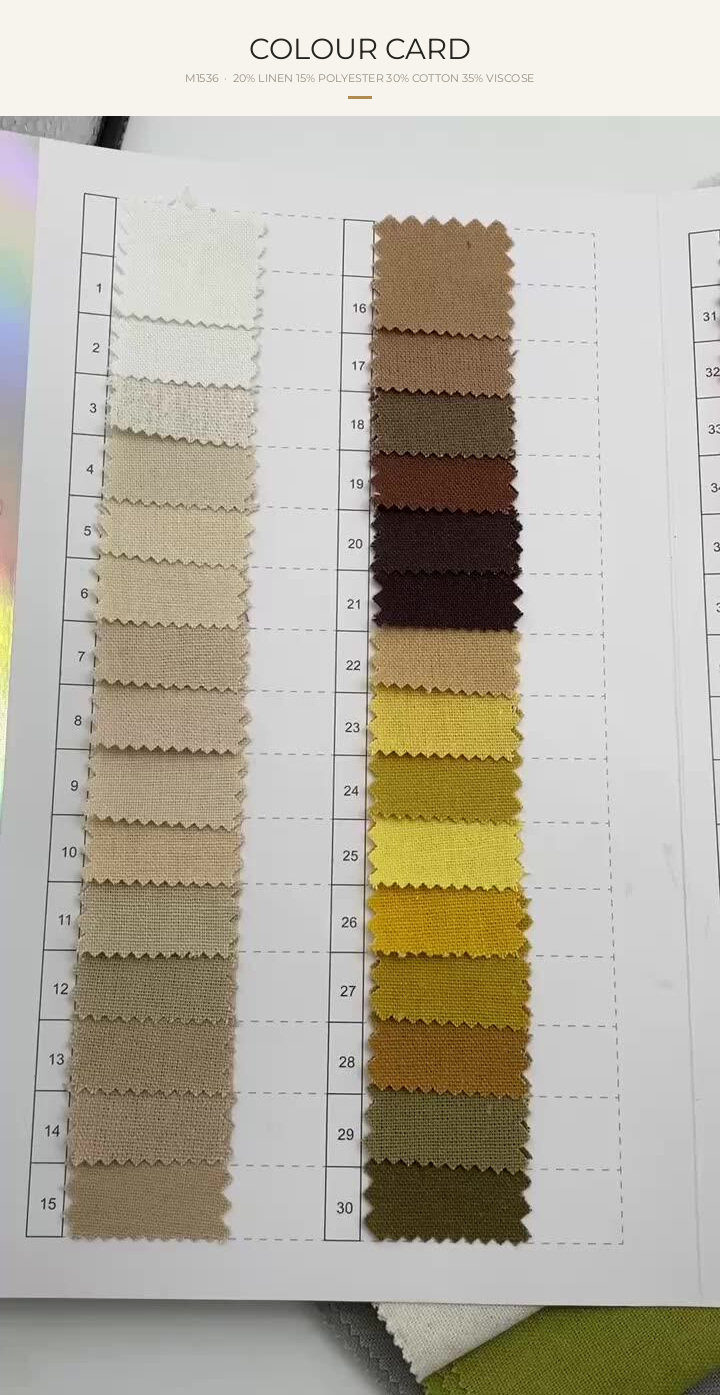
A stock range of dyed shades is held against the printed programme, running from naturals and creams through mid tones. The blend takes both solid dye and print evenly, and custom solid dyeing to Pantone TCX is available for development orders — with the caveat that a four-fibre construction must be matched on a washed sample, because the way the cotton, viscose, flax and polyester each take the same dye is part of what makes the shade.
Hand samples and cutting samples are supplied before bulk production, either from stock greige or from a lab dip matched to your shade. For a four-fibre construction we recommend sampling the finished cloth and washing it before approval: with four different fibres taking the same dye, the shade that comes off the loom and the shade that comes out of the wash are not always identical, and the washed result is the one the customer sees.
Development runs around three points: the fibre ratio and yarn count, the shade matched to Pantone TCX, and the weight confirmed against the end use. On a construction this balanced we also confirm shrinkage and dimensional stability on a washed sample before bulk is scheduled, and we specify a gentle-wash route so the cloth keeps its shape through the life of the garment rather than only through the first season. Printed development is supported with design files supplied by the brand. Full-width greige and finished samples, small trial orders and custom development are supported for new customers.
| Service | Detail |
| Sampling | Hand sample or cutting sample before bulk |
| Lab dip | 3–5 shades against Pantone TCX or our own library |
| Greige | Full-width greige available on request |
| Development | Custom ratio, weight, width, finish, dyeing and print |
| Construction | 5147 linen-cotton based |
| Production | Yongshun Dyeing & Finishing Plant |
| MOQ | Negotiable |
FABRIC ENQUIRY
Ask about this fabric
Share your requirements and our team will reply within 24 hours.