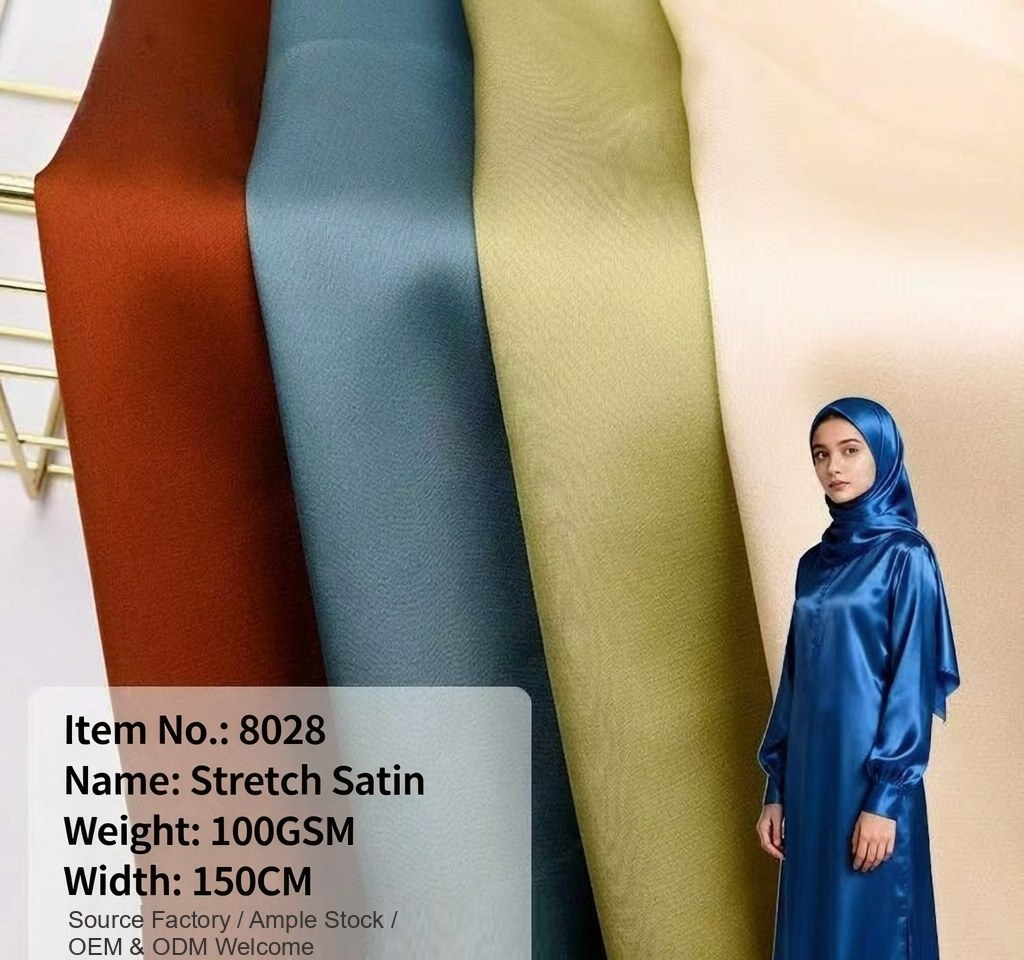
8028-ARMANI-SATIN
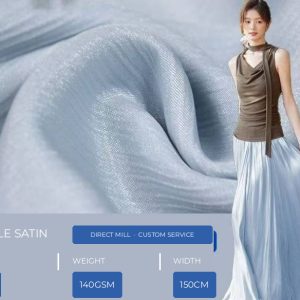
Armani Satin Fabric, 96% Polyester 4% Spandex, 150cm Width, 95GSM
Quote required
Contact us for the latest price and availability.
- Composition
- 96% Polyester 4% Spandex
- Weight
- 95 GSM
- Width
- 59 inches
- Weave
- Armani Satin (stretch satin weave, warp 75D/72F FDY, weft 100D/72F DTY + 40DSP spandex)
- Category
- Polyester Fabric Wholesale Supplier / Polyester Solid Color Dyed Fabric / Woven
- MOQ
- TBC
Sampling & delivery
Build your sample selection, then download a sourcing brief. Ordering, stock and delivery will be enabled after the store information is confirmed.
FABRIC STORY
Product details
| SHAOXING HENGHUI TEXTILE CO., LTD. | ITEM NO. 8028 ARMANI SATIN · 96% POLYESTER 4% SPANDEX · SERIES PES-28 |
Armani Satin Fabric
150 CM
ARMANI SATIN WEAVE
96% POLYESTER 4% SPANDEX
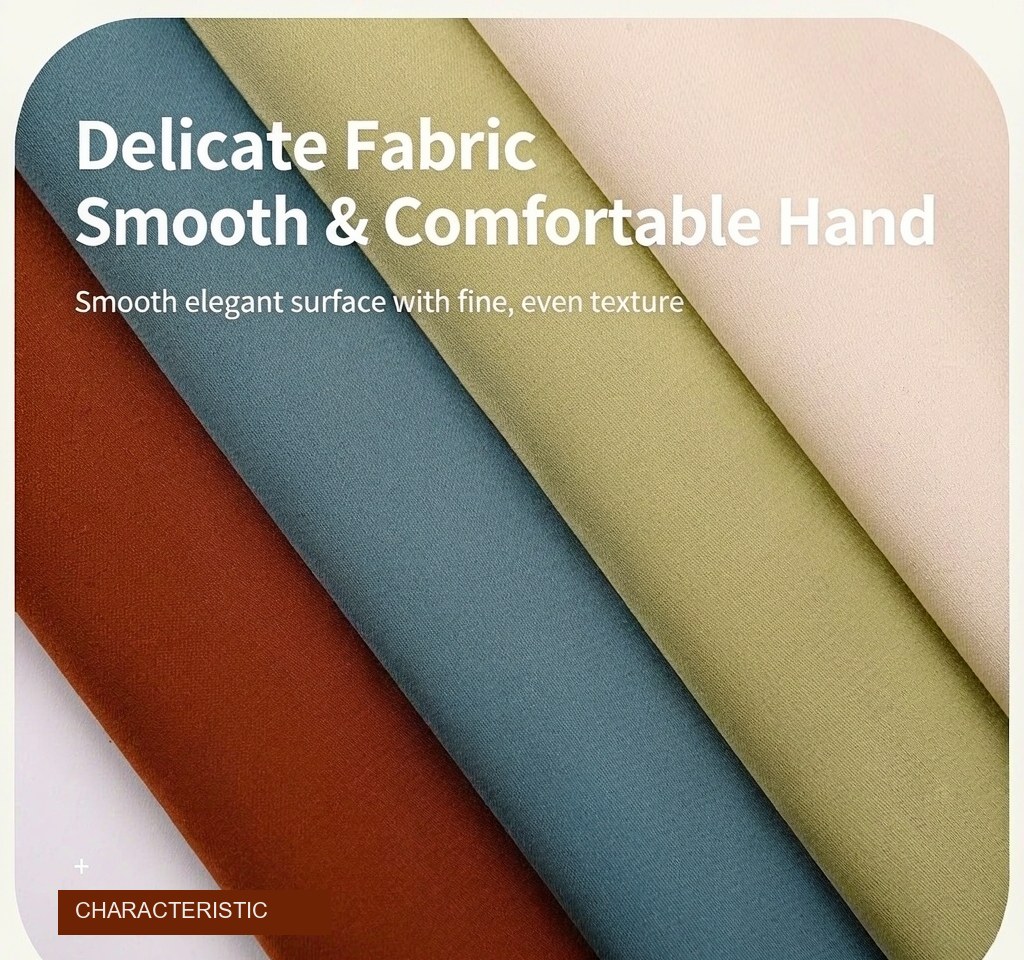
This fine plain woven fabric is 96% polyester 4% spandex woven in a armani satin construction. The warp-faced float structure brings a smooth, softly lustrous surface with an elegant drape, while the filament yarns give a silky, fluid hand feel.
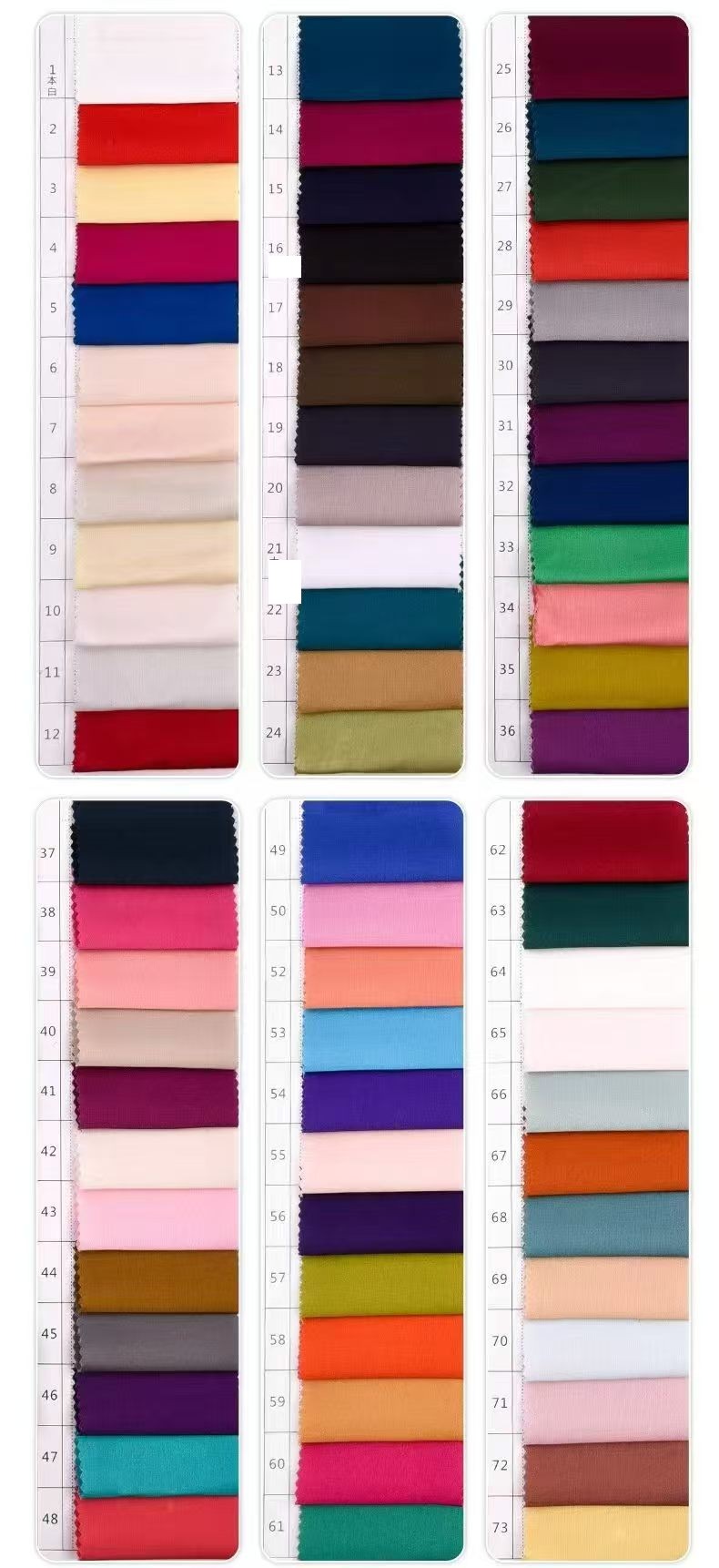
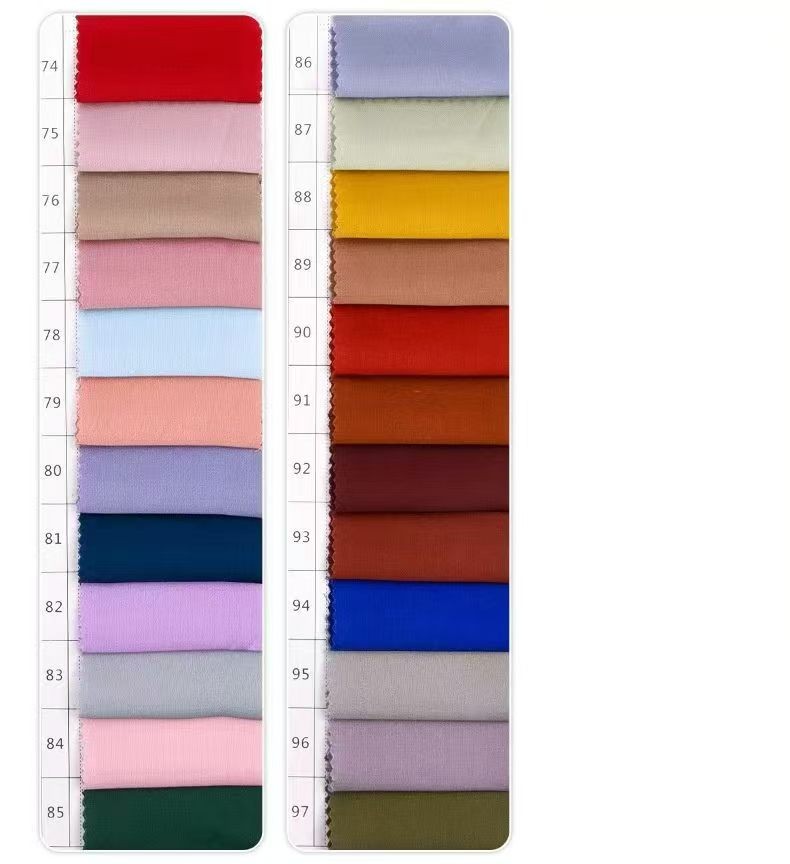
At 95 GSM with a 150 cm width, it drapes beautifully with a soft falling effect — an excellent choice for dresses, blouses, scarves, Hanfu and evening gowns. Available in 97 in-stock dyed colors, with custom solid dyeing or printing in our 55-color morandi tone library or your own Pantone references.
| ITEM | SPECIFICATION |
|---|---|
| Item No. | 8028 Armani Satin (piece dyed) |
| Construction | Satin weave (warp 75D/72F FDY, weft 100D/72F DTY+40DSP with spandex) |
| Composition | 96% Polyester 4% Spandex |
| Surface | 96% Polyester 4% Spandex — soft matte sheer texture, airy and lightweight |
| Hand Feel | Silky smooth with soft, fluid drape |
| Width | 150cm (59 inch) |
| Weight | 95 GSM |
| Technics | Woven · piece-dyed / print ready |
| Color | Steel blue shown — 97 stock colors + custom morandi / Pantone dyeing |
| MOQ | Flexible — discussed per color & production requirement |
| Sample | Fabric samples available for quality evaluation before bulk |
|
FEATURE 01
Consistent Quality
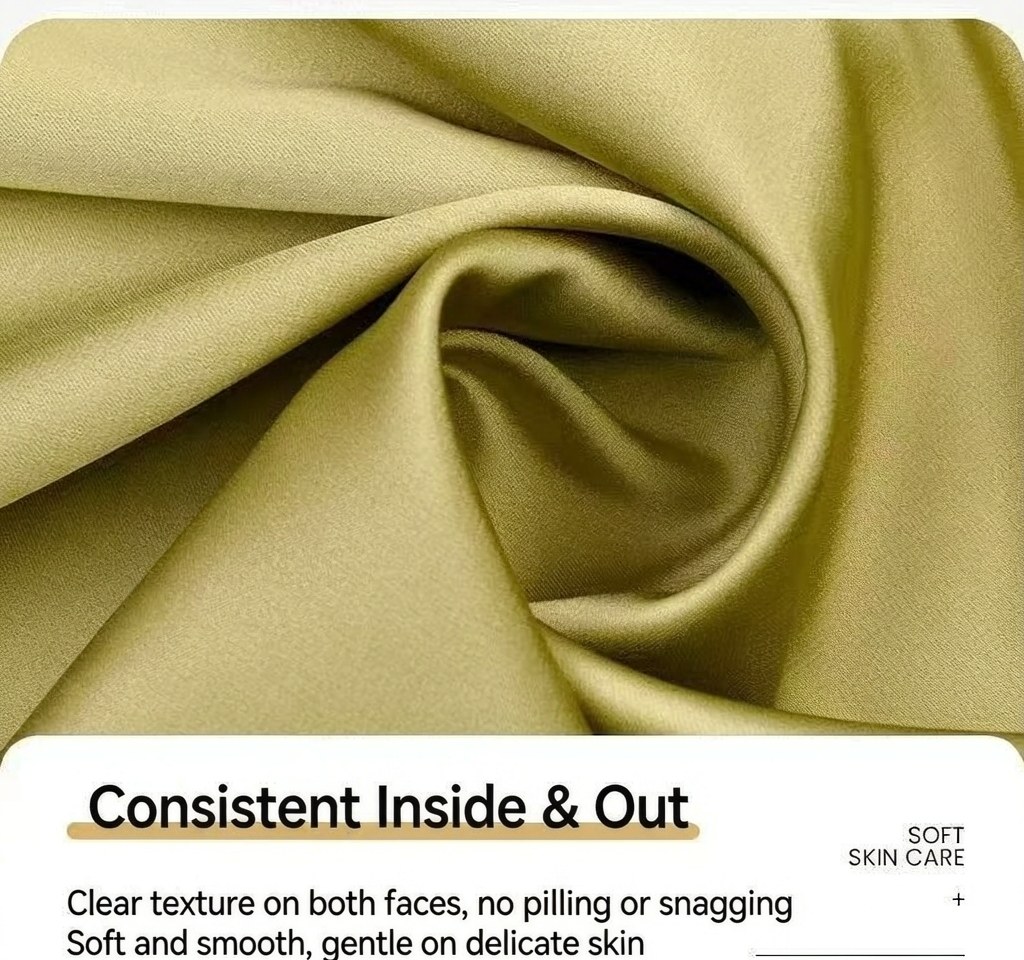
Clear texture on both sides, anti-pilling and anti-snag. Woven from quality polyester filament with a stable, even surface that keeps its shape in every garment.
|
FEATURE 02
Healthy Material
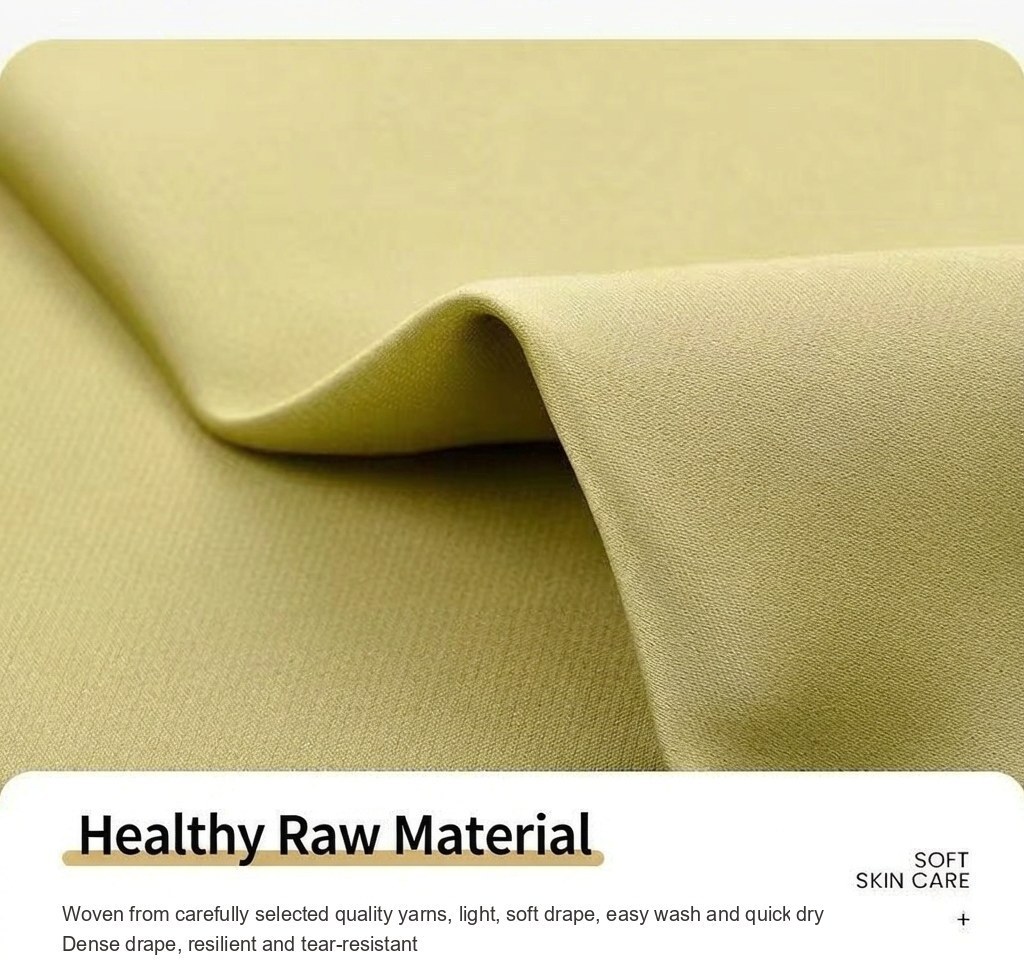
Woven from quality raw materials — soft drape, easy to wash and quick to dry. Tight construction, good flexibility and less pilling, gentle on sensitive skin.
|
|
FEATURE 03
Skin-Friendly & Breathable
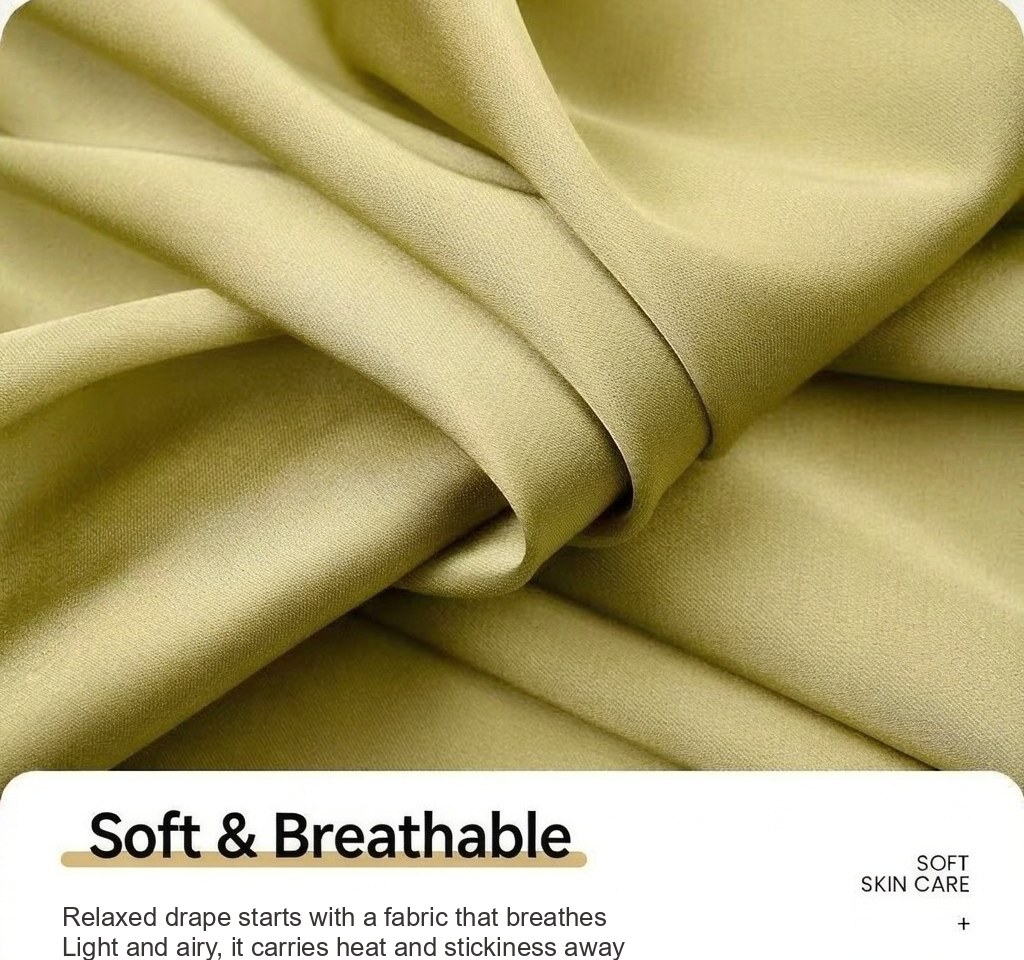
Relaxed drape and breathable comfort. Like a gentle companion, the smooth sheer face feels gentle on the skin and helps reduce stuffiness and sticky feelings.
|
FEATURE 04
Vibrant Color
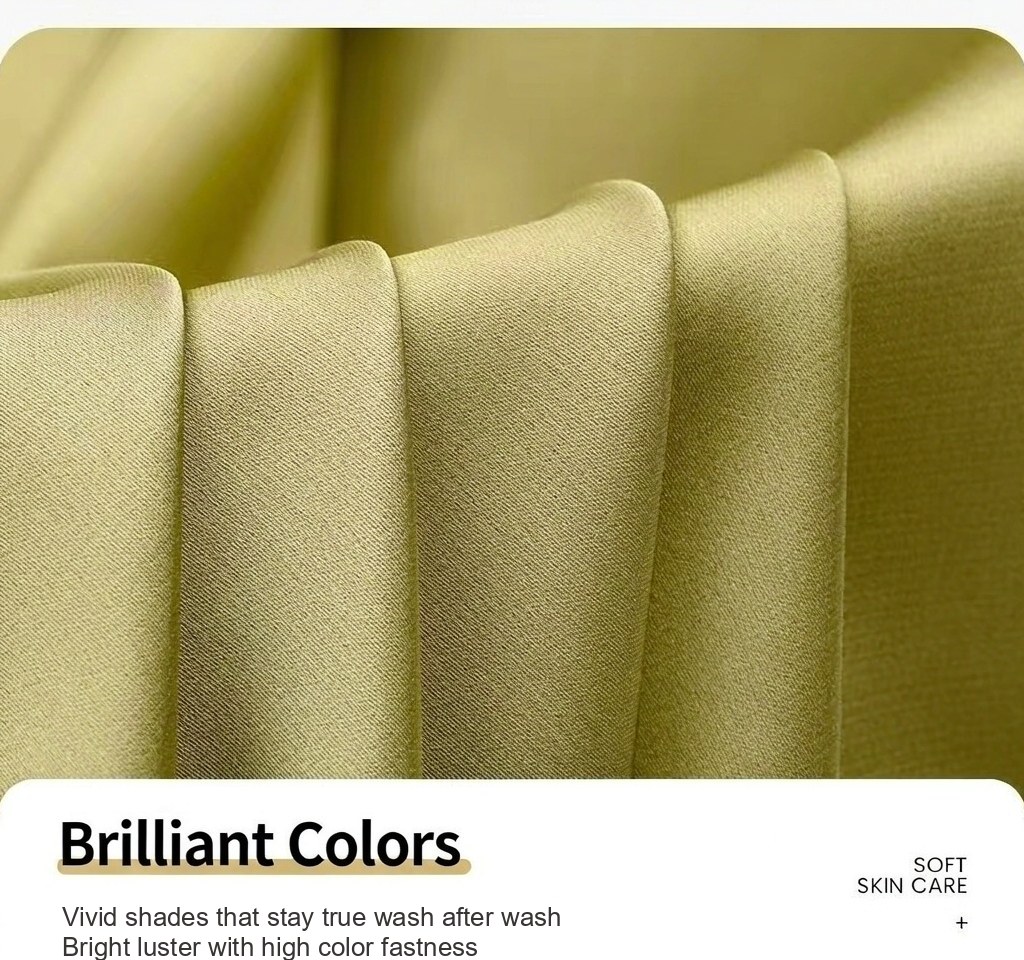
Bright, vibrant color with high color fastness. Wash-resistant and fade-resistant — the lustrous morandi shades stay true wash after wash.
|
|
FRONT & BACK SURFACE · SOFT MATTE SHEER
|
ITEM INFORMATION · 8028 SERIES
|
| 96% POLYESTER 4% SPANDEX — ARMANI SATIN |
|
COBALT MIST · SOFT SHEER TOUCH
|
STEEL BLUE · CLASSIC DEEP TONE
|
OLIVE SAGE · FLUID DRAPE
|
|
MORANDI ROLLS · DELICATE HAND
|
TERRACOTTA · SOFT DRAPE
|
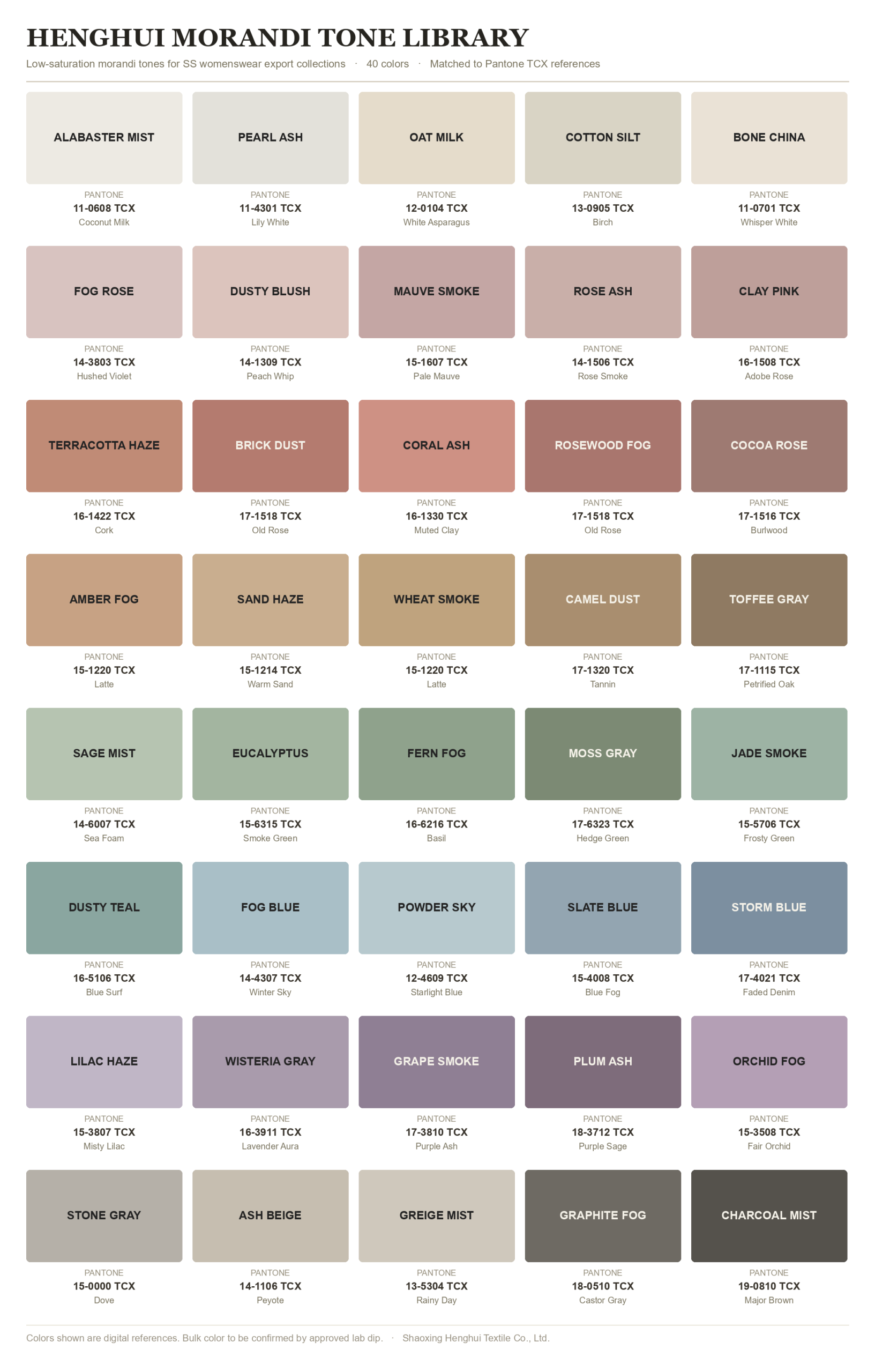
More morandi tones available from our 40-color library — see the Pantone TCX matched color card in Customization below. Lab dip approval before bulk dyeing.
|
|
PLAIN WEAVE — FLAT FILAMENT CROSSING
Light cell = warp float on the face · Dark cell = interlacing point
Fine 75D/72F FDY warp yarns over a 100D spandex weft create the smooth satin face with a silky, fluid hand and comfortable 4-way stretch. |
WHY ARMANI SATIN WEAVE
|
| Headscarf & Scarves | Evening Gown & Kaftan | Evening Dresses | Blouses & Tops |
| Garment Lining | Home Decor | Bridal & Occasion | Sleepwear & Loungewear |
Fashion Brands
Fabric Wholesalers
Apparel Sourcing Companies
Boutique Clothing Producers
|
HIJAB & ABAYA · ARMANI SATIN
|
FOLDED SATIN GARMENTS · MADE-UP SAMPLES
|
|
ITEM INFORMATION · STYLING REFERENCE
|
MADE-UP GARMENT SAMPLE
Modest Garments in Morandi Satin
Cut from this 95 GSM polyester armani satin after piece dyeing — the soft sheer surface, fluid drape and elegant sheen remain clearly visible in the finished garment.
Buyer color references are welcome: we keep a 55-color morandi tone library for the coming season and can match any Pantone TCX with a lab dip before bulk.
Garment Sample Available
|
Craft Differentiation: Similar Appearance, Fundamentally Different Processes
Two satin fabrics may look similar at first glance. Both may have a smooth surface, an attractive sheen and an elegant drape. However, their appearance alone does not tell the whole story. The real difference often lies in the manufacturing process.
For satin fabrics, finishing quality plays an important role in determining surface smoothness, lustre consistency, hand feel and performance during garment production. Insufficient surface protection during dyeing may result in snags, scratches, abrasion marks and other defects that affect the finished fabric.
At Shaoxing Henghui Textile Co., Ltd., we pay close attention to these details throughout the dyeing and finishing process. Our Armani Satin development focuses on two important aspects of fabric quality: careful finishing treatment and double fabric rolling for satin surface protection. These processes are designed to help maintain a refined satin appearance while reducing the risk of surface damage during production.
1. Why Similar-Looking Satin Fabrics Can Have Different Quality
At the fabric sampling stage, two satin fabrics may appear almost identical. Their colors, surface lustre and initial hand feel may be very similar. However, differences can become more apparent during bulk production, cutting and garment manufacturing. Potential problems include:
- Uneven lustre or localized shiny marks.
- Snags and scratches caused by friction during processing.
- Inconsistent hand feel across the fabric surface.
- Variations in appearance between fabric batches.
- Additional material waste caused by defects discovered during cutting or garment inspection.
For apparel manufacturers, these problems can affect more than the appearance of the fabric. They may also increase inspection requirements, complicate cutting operations and create additional production costs. This is why fabric quality should be evaluated not only by its initial appearance, but also by the finishing methods used to achieve that appearance. A refined satin surface is not simply a matter of how the fabric looks. It also depends on how the fabric is processed and protected.
2. Two-Stage Finishing Treatment
A consistent satin appearance requires careful control throughout the finishing process. Our two-stage treatment approach is designed to improve surface uniformity, softness and drape while helping reduce uneven lustre and variations in hand feel. By controlling the finishing process, we aim to achieve a smoother fabric surface and a more consistent visual effect.
For buyers, these details matter because the quality observed in a sample should be representative of the fabric delivered for bulk garment production.
Note: The exact finishing sequence depends on the fabric construction and the requirements of the order.
3. Double Fabric Rolling for Satin Surface Protection
Protecting the Satin Face During Dyeing. One important feature of our satin processing approach is the use of a double fabric-rolling preparation before dyeing. During this process, the fabric is carefully rolled so that the satin face is folded inward while the reverse side faces outward. This arrangement helps protect the delicate satin face from direct contact with the inner wall of the dyeing machine during prolonged rotation.
Why Does This Matter?
During prolonged rotation in a dyeing machine, fabric may experience repeated contact and friction against machine surfaces. For satin fabrics, such friction can be particularly undesirable because visible surface damage may affect the uniformity of the sheen and the overall appearance of the material. Our double fabric-rolling preparation is designed to reduce this risk by protecting the satin face during the dyeing stage.
The process requires additional preparation and handling. However, we consider surface protection an important part of maintaining fabric quality rather than simply an extra production step. The objective is straightforward: reduce avoidable surface damage before the fabric reaches the garment factory.
4. Final Quality Performance
The quality of satin fabric should be assessed through both visual inspection and appropriate performance testing. With suitable process control, our finishing approach aims to deliver the following characteristics.
Smooth Surface Appearance. The fabric is processed with attention to surface protection to help minimize friction-related marks and visible defects.
Consistent Satin Lustre. Careful finishing helps maintain a more uniform sheen, supporting a refined appearance across the fabric surface.
Soft Hand Feel and Elegant Drape. The finishing process is designed to preserve the intended hand feel and drape required for the target garment application.
Washing Color Fastness
Color fastness is an important consideration for dyed satin fabrics. The actual washing color fastness grade should be confirmed through testing under the applicable standard and test conditions. Where supported by laboratory results, a grade of 4 or above can be specified in the product documentation.
For bulk orders, we recommend confirming the required color fastness, shade tolerance and other quality parameters before production. This helps ensure that quality expectations are clearly defined between the fabric supplier and the garment manufacturer.
5. Why Finishing Quality Matters to Garment Manufacturers
When purchasing fabric, the initial price is only one part of the total production cost. A lower-priced fabric may appear attractive at the sourcing stage. However, if insufficient process control results in surface defects, inconsistent appearance or inadequate performance, the savings on fabric cost may be offset by additional losses during garment manufacturing. Potential consequences include:
- More time spent inspecting and sorting fabric.
- Increased fabric waste during cutting.
- Additional handling or quality-control work.
- A higher risk of defects being discovered during garment inspection.
- Greater difficulty maintaining consistent appearance across a production order.
By contrast, appropriate finishing and surface protection can help reduce avoidable quality risks. At Henghui Textile, we believe that reliable fabric quality begins with the manufacturing process, not with the final inspection alone. Our approach emphasizes careful processing, attention to surface condition and communication with customers about the quality requirements of their intended applications. For garment manufacturers, these details can contribute to a more predictable production process and more consistent finished garments.
6. Applications of Armani Satin
With its smooth surface, elegant sheen and refined appearance, Armani Satin can be considered for a range of apparel applications, depending on its actual composition, weight, construction and performance requirements. Potential applications include:
- Women's dresses and occasionwear.
- Blouses and elegant tops.
- Skirts and coordinated fashion sets.
- Modest fashion garments.
- Selected abaya and hijab-related apparel applications, where the fabric specifications are suitable.
- Other fashion garments requiring a smooth surface and an elegant satin appearance.
For buyers developing a new collection, the final suitability of the fabric should be evaluated against the garment design, required drape, opacity, comfort and care instructions. Our team can work with buyers to confirm the relevant specifications and finishing requirements before bulk production.
7. Quality Begins with Process Control
At Shaoxing Henghui Textile Co., Ltd., we understand that the difference between an acceptable fabric and a reliable production fabric often lies in the details that are not immediately visible. Finishing treatment, fabric handling and surface protection all contribute to the final result.
Our double fabric-rolling preparation is one example of how attention to processing details can help reduce avoidable risks during dyeing. Rather than evaluating satin solely by its initial lustre, we focus on the relationship between manufacturing methods, fabric surface quality and the requirements of garment production.
For our customers, the goal is not simply to receive fabric that looks attractive in a sample. It is to obtain material that meets the agreed specifications and performs consistently throughout the manufacturing process.
Deux tissus de satin peuvent sembler similaires à première vue. L'un comme l'autre peuvent présenter une surface lisse, un brillant attractif et un tombé élégant. Toutefois, leur seule apparence ne révèle pas toute la vérité. La différence réside souvent dans le procédé de fabrication.
Pour les tissus de satin, la qualité de l'apprêt joue un rôle déterminant dans la régularité de la surface, l'uniformité du brillant, le toucher et les performances en confection. Une protection insuffisante de la surface lors de la teinture peut provoquer des boucles, des rayures, des marques d'abrasion et d'autres défauts qui altèrent le tissu fini.
Chez Shaoxing Henghui Textile Co., Ltd., nous accordons une attention particulière à ces détails tout au long du procédé de teinture et d'apprêt. Le développement de notre Armani Satin repose sur deux aspects essentiels de la qualité du tissu : un Double dégraissage et un double enroulement du tissu destiné à protéger la face du satin. Ces procédés visent à préserver l'éclat recherché du satin tout en réduisant les risques de dommage en surface durante la production.
1. Pourquoi des satins d'aspect similaire peuvent présenter des qualités différentes
Au stade de l'échantillonnage, deux satins peuvent sembler presque identiques. Leurs couleurs, leur brillant de surface et leur toucher initial peuvent être très proches. Toutefois, les différences deviennent plus manifestes lors de la production en série, de la coupe et de la confection. Les problèmes potentiels sont les suivants :
- Brillant irrégulier ou marques brillantes localisées.
- Boucles et rayures provoquées par le frottement au cours du traitement.
- Toucher non homogène sur l'ensemble de la surface du tissu.
- Variations d'aspect entre les différents lots de tissu.
- Perte de matière supplémentaire liée aux défauts découverts lors de la coupe ou du contrôle final.
Pour les confectionneurs, ces problèmes ne se limitent pas à l'aspect du tissu. Ils peuvent également renforcer les exigences de contrôle, compliquer les opérations de coupe et engendrer des coûts de production supplémentaires. C'est pourquoi la qualité d'un tissu doit être évaluée non seulement par son apparence initiale, mais aussi par les méthodes d'apprêt mises en œuvre pour l'obtenir. Une surface de satin raffinée ne relève pas uniquement de l'aspect du tissu : elle dépend également de la manière dont il est traité et protégé.
2. Double dégraissage
Un aspect de satin constant exige une maîtrise rigoureuse de l'ensemble du procédé d'apprêt. Notre Double dégraissage est conçu pour améliorer l'uniformité de la surface, la souplesse et le tombé, tout en contribuant à réduire le brillant irrégulier et les variations de toucher. Par un pilotage précis de l'apprêt, nous visons une surface plus lisse et un rendu visuel plus homogène.
Pour les acheteurs, ces détails comptent, car la qualité constatée sur un échantillon doit être représentative du tissu livré pour la confection en série.
Remarque : la séquence exacte d'apprêt dépend de la construction du tissu et des exigences de la commande.
3. Double enroulement du tissu pour la protection de la face du satin
Protection de la face du satin pendant la teinture. L'un des éléments distinctifs de notre procédé est la teinture par double suspension d'attache avant la teinture. Le tissu est soigneusement enroulé de manière à replier la face du satin vers l'intérieur, l'envers étant tourné vers l'extérieur. Cette disposition protège la face délicate du satin du contact direct avec la paroi intérieure de la machine de teinture lors de la rotation prolongée.
Pourquoi est-ce important ?
Lors d'une rotation prolongée dans une machine de teinture, le tissu peut subir des contacts et des frottements répétés avec les surfaces de la machine. Pour les satins, ce frottement est particulièrement indeseirable, car les dommages visibles en surface peuvent altérer l'uniformité du brillant et l'aspect général de la matière. Notre teinture par double suspension d'attache est conçue pour réduire ce risque en protégeant la face du satin pendant l'étape de teinture.
Ce procédé exige une préparation et une manipulation supplémentaires. Nous considérons toutefois la protection de la surface comme un élément essentiel du maintien de la qualité du tissu, et non comme une simple étape de production supplémentaire. L'objectif est clair : réduire les dommages évitables en surface avant que le tissu n'atteigne l'atelier de confection.
4. Performance qualité finale
La qualité d'un tissu de satin doit être évaluée à la fois par un examen visuel et par des essais de performance appropriés. Grâce à un contrôle adapté du procédé, notre approche d'apprêt vise à obtenir les caractéristiques suivantes.
Aspect de surface lisse. Le tissu est traité avec une attention particulière à la protection de la surface, afin de limiter les marques liées au frottement et les défauts visibles.
Brillant de satin constant. Un apprêt soigneux permet de conserver une brillance plus uniforme et de préserver un aspect raffiné sur l'ensemble de la surface.
Toucher souple et tombé élégant. Le procédé d'apprêt est conçu pour préserver le toucher et le tombé requis par l'application vestimentaire visée.
Solidité des couleurs au lavage
La solidité des couleurs constitue un critère important pour les tissus de satin teints. Le niveau réel de solidité des couleurs au lavage doit être confirmé par un essai réalisé selon la norme et les conditions d'essai applicables. Lorsqu'il est étayé par des résultats de laboratoire, un niveau 4 ou supérieur peut être mentionné dans la documentation produit.
Pour les commandes en série, nous recommandons de confirmer avant la production la solidité des couleurs requise, la tolérance de teinte et les autres paramètres de qualité. Cela permet de définir clairement les attentes qualité entre le fournisseur de tissu et le confectionneur.
5. Pourquoi la qualité de l'apprêt est essentielle pour les confectionneurs
Lors de l'achat de tissu, le prix initial ne constitue qu'une part du coût total de production. Un tissu moins cher peut sembler attractif au stade de l'approvisionnement. Toutefois, si un contrôle insuffisant du procédé entraîne des défauts de surface, un aspect irrégulier ou des performances inadéquates, les économies réalisées sur le tissu peuvent être compensées par des pertes supplémentaires au cours de la confection. Les conséquences possibles sont les suivantes :
- Plus de temps consacré au contrôle et au tri des tissus.
- Augmentation des pertes de tissu lors de la coupe.
- Travail supplémentaire de manutention ou de contrôle qualité.
- Risque accru de découverte de défauts lors du contrôle final des vêtements.
- Plus grande difficulté à maintenir un aspect homogène sur l'ensemble d'un lot de production.
À l'inverse, un apprêt et une protection de surface adaptés permettent de réduire les risques de qualité évitables. Chez Henghui Textile, nous sommes convaincus qu'une qualité de tissu fiable commence par le procédé de fabrication, et non par le seul contrôle final. Notre approche privilégie un traitement soigneux, une attention particulière à l'état de la surface et un dialogue avec les clients sur leurs exigences de qualité. Pour les confectionneurs, ces détails favorisent un processus de production plus prévisible et des vêtements finis plus homogènes.
6. Applications de l'Armani Satin
Grâce à sa surface lisse, son brillant élégant et son aspect raffiné, l'notre satin extensible Armani Satin peut être envisagé pour un large éventail d'applications vestimentaires, en fonction de sa composition, de son grammage, de sa construction et de ses performances réelles. Les applications potentielles comprennent :
- Robes et tenues d'occasion pour femme.
- Blouses et hauts élégants.
- Jupes et ensembles vestimentaires coordonnés.
- Vêtements de mode modeste.
- Applications vestimentaires sélectionnées pour abaya et hijab, lorsque les spécifications du tissu s'y prêtent.
- Autres articles de mode exigeant une surface lisse et un aspect satiné élégant.
Pour les acheteurs qui développent une nouvelle collection, l'adéquation finale du tissu doit être évaluée au regard du modèle du vêtement, du tombé recherché, de l'opacité, du confort et des consignes d'entretien. Notre équipe peut accompagner les acheteurs afin de confirmer les spécifications et les exigences d'apprêt pertinentes avant la production en série.
7. La qualité commence par le contrôle du procédé
Chez Shaoxing Henghui Textile Co., Ltd., nous comprenons que la différence entre un tissu acceptable et un tissu réellement fiable pour la production se joue souvent dans des détails qui ne sont pas immédiatement visibles. Le traitement d'apprêt, la manipulation du tissu et la protection de la surface contribuent tous au résultat final.
Notre teinture par double suspension d'attache illustre la manière dont l'attention portée aux détails de traitement permet de réduire les risques évitables durant la teinture. Plutôt que d'évaluer le satin uniquement d'après son brillant initial, nous nous concentrons sur la relation entre les méthodes de fabrication, la qualité de surface du tissu et les exigences de la confection.
Pour nos clients, l'objectif n'est pas simplement de recevoir un tissu dont l'aspect est attractif sur échantillon. Il s'agit d'obtenir une matière qui respecte les spécifications convenues et conserve des performances homogènes tout au long du processus de fabrication.
ADDITIONAL SATIN GALLERY
|
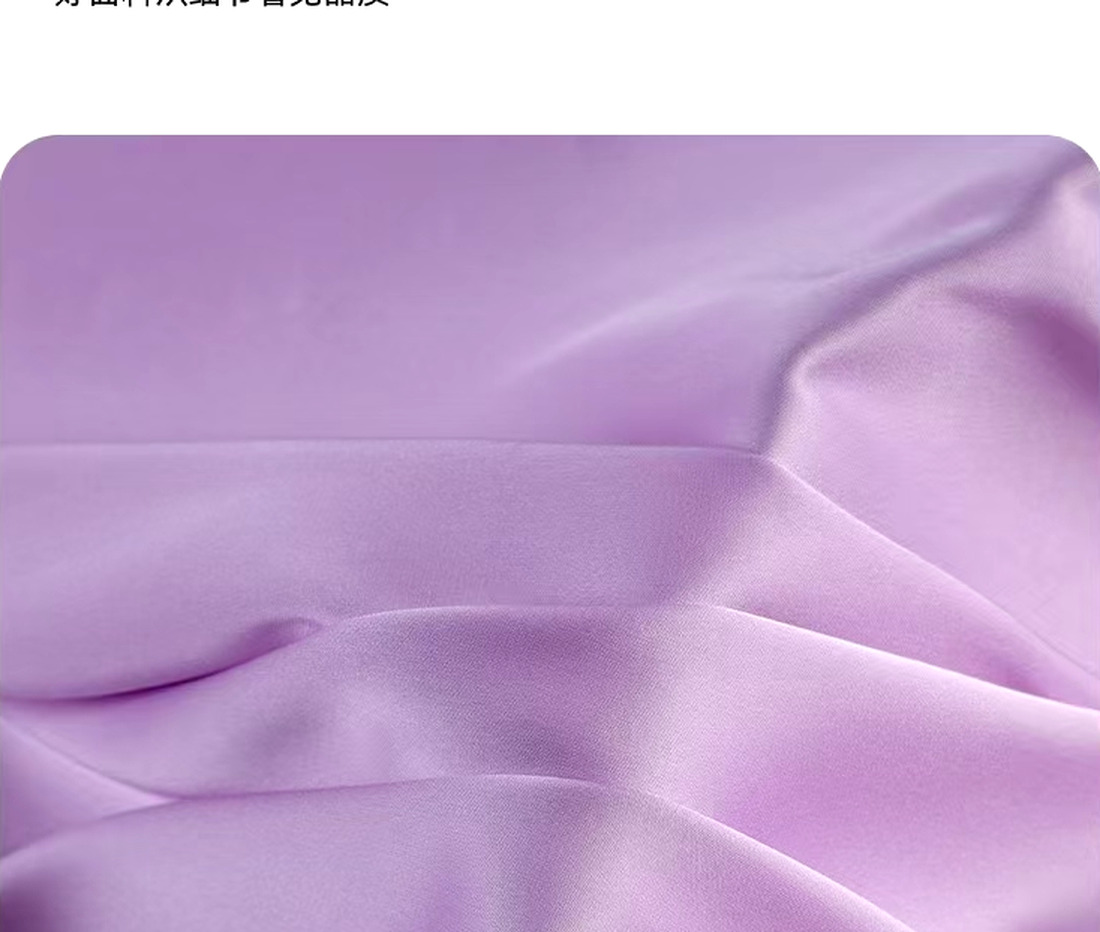
LILAC · SOFT MATTE LUSTRE
|
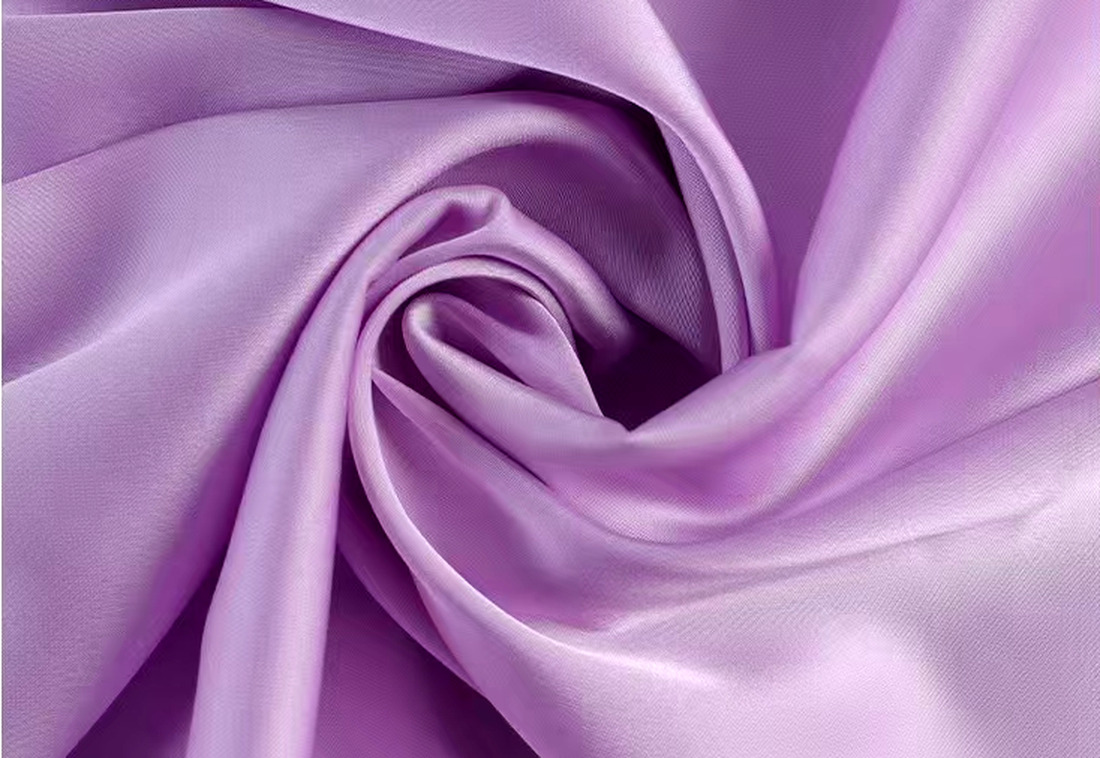
AMETHYST · FLUID TWIST
|
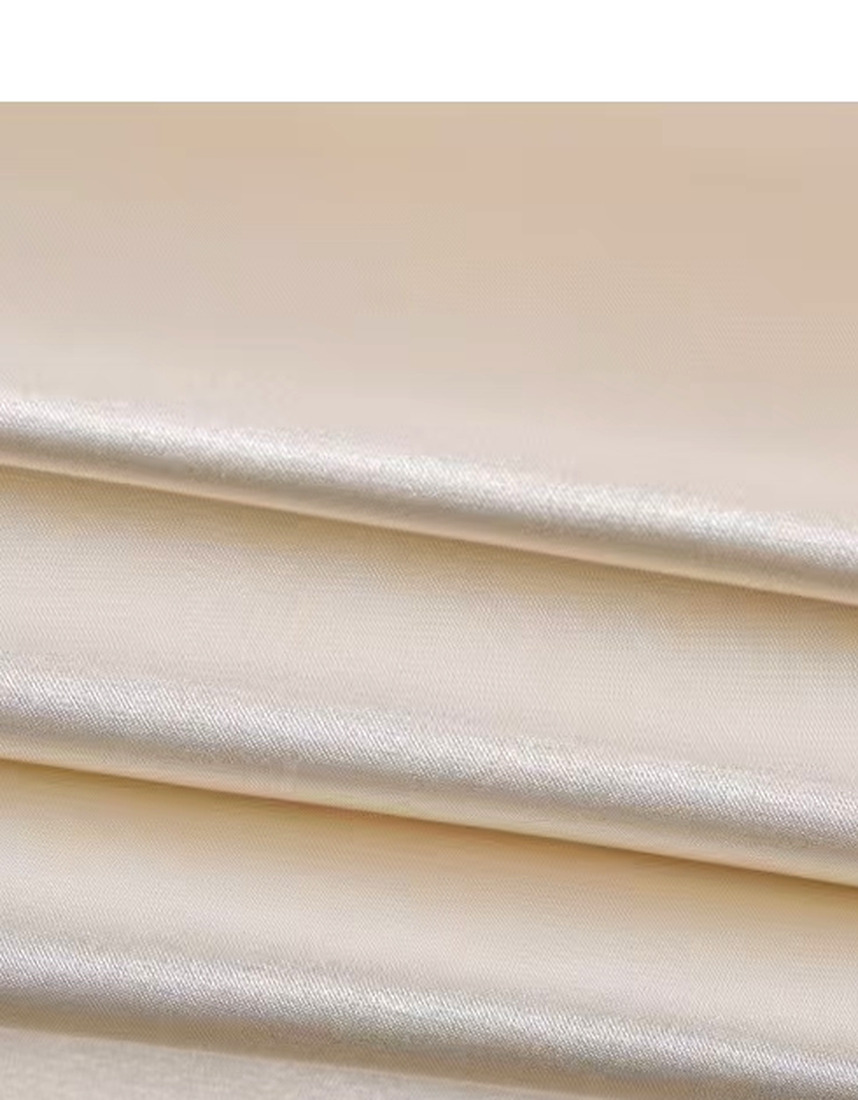
IVORY FOLD · DENSE FACE
|
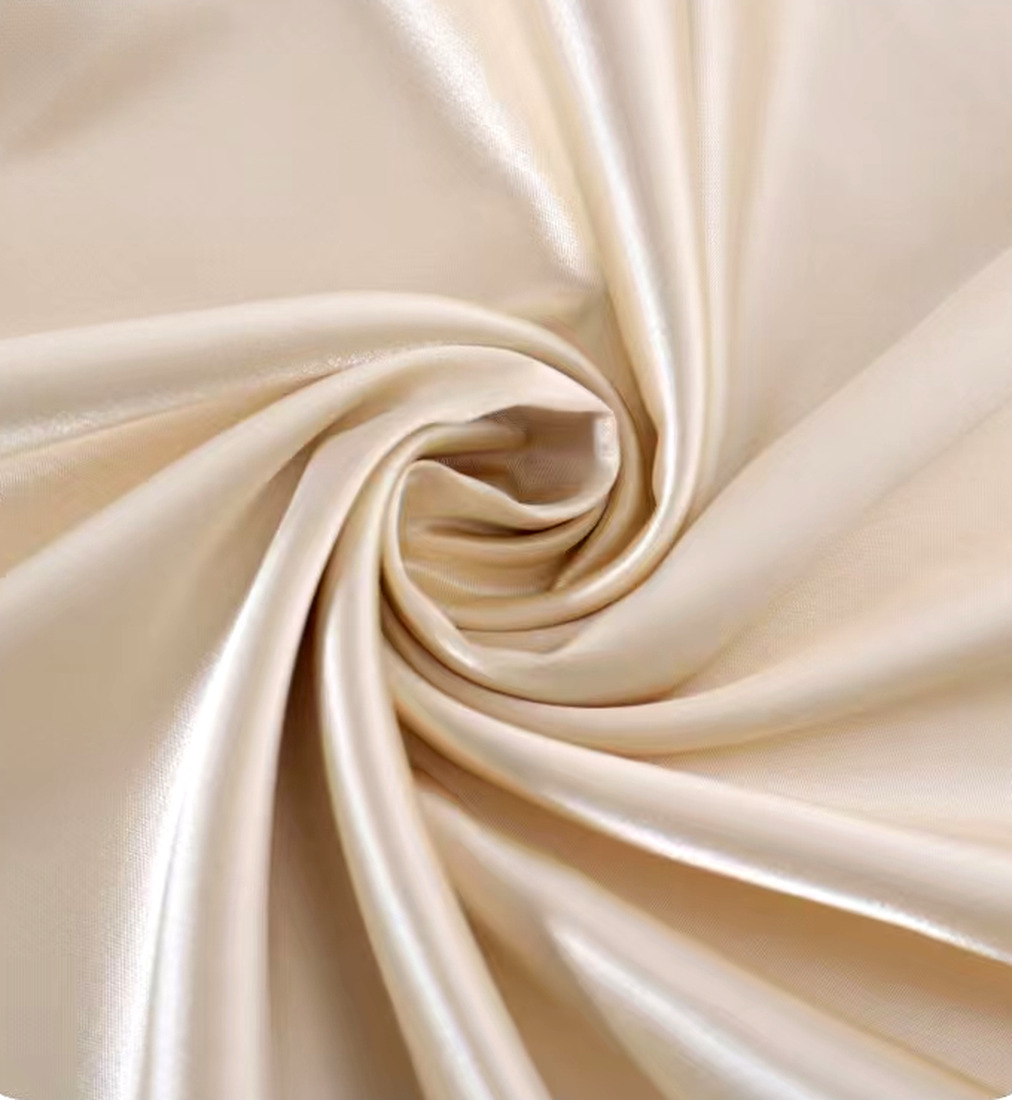
CHAMPAGNE · SILKY SWIRL
|
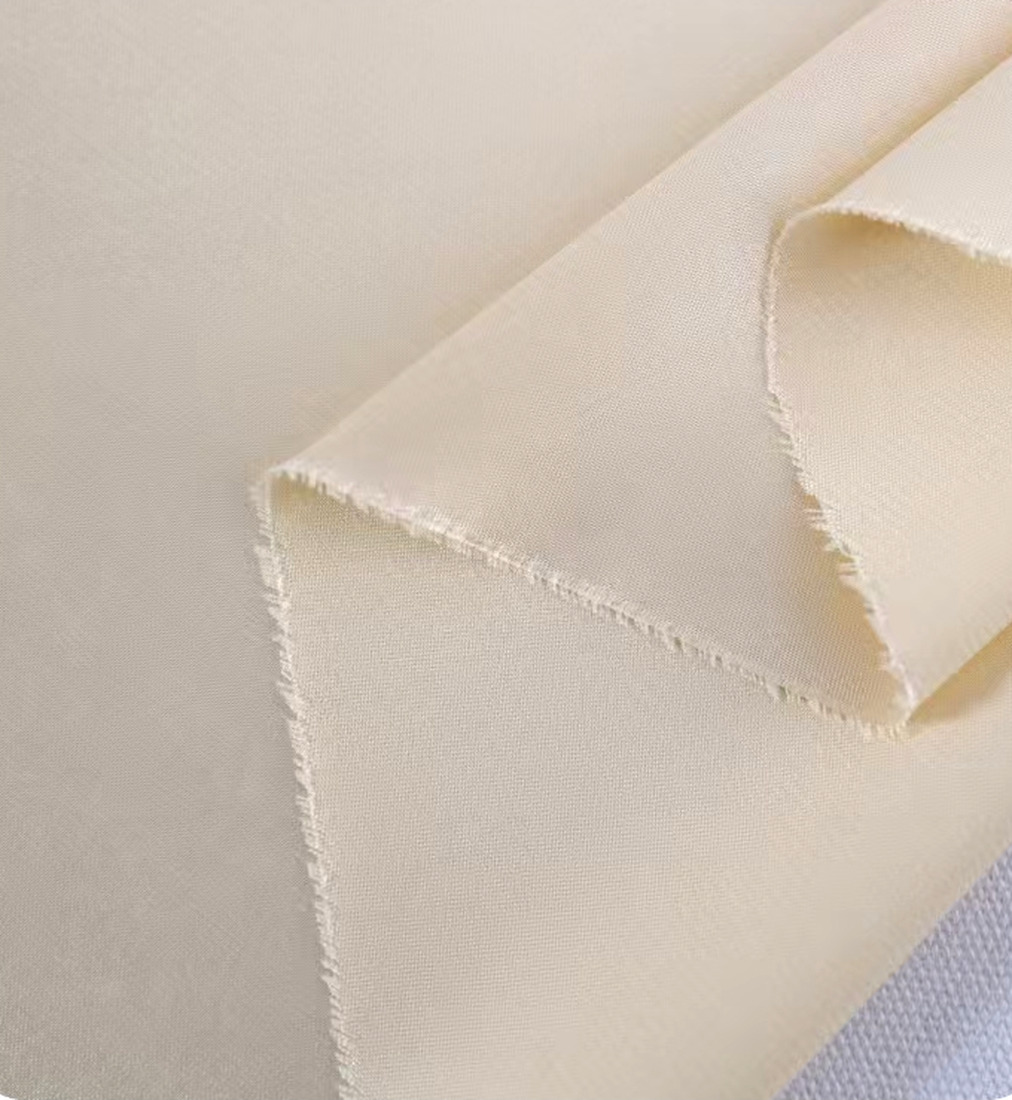
IVORY · CLEAN CUT EDGE
|
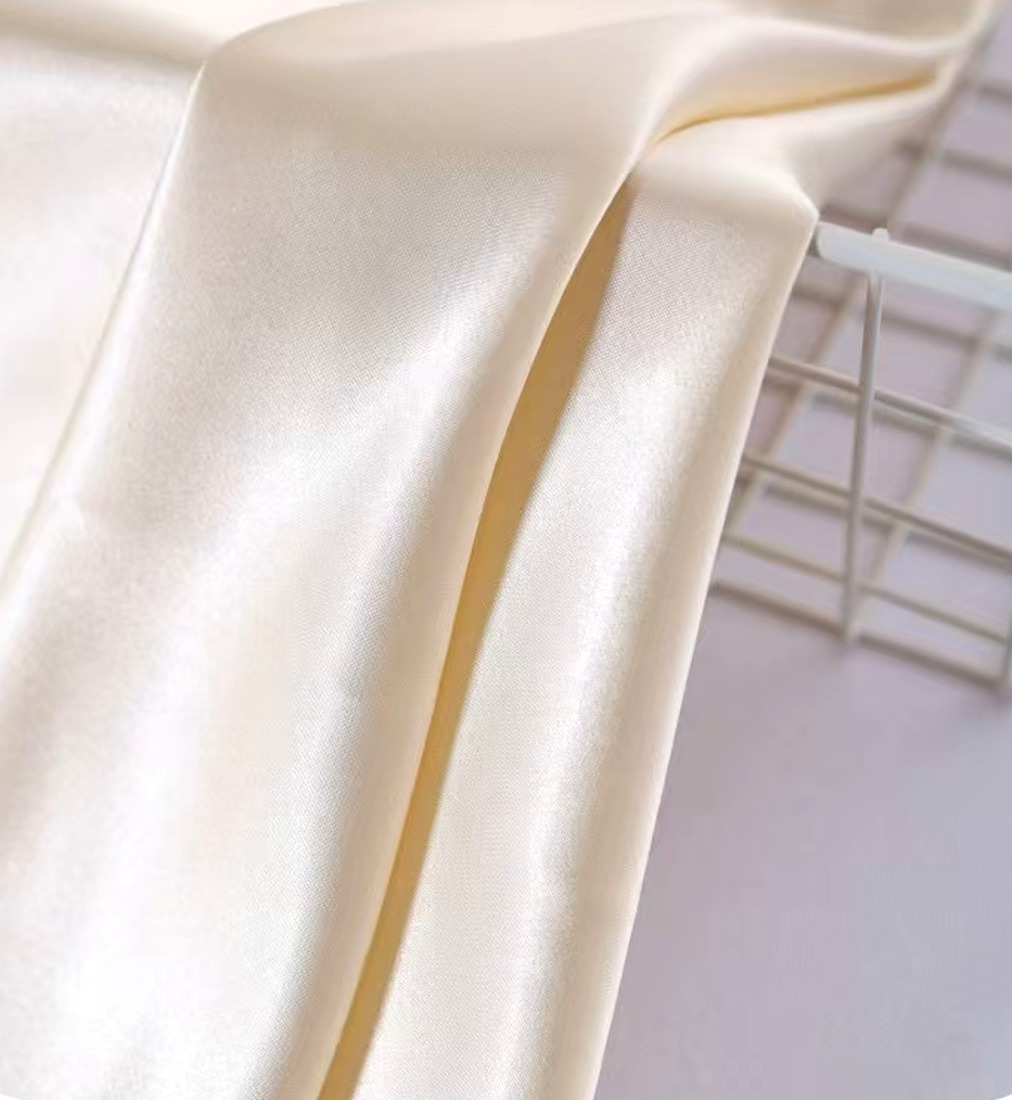
DRAPE · FLUID FALL
|
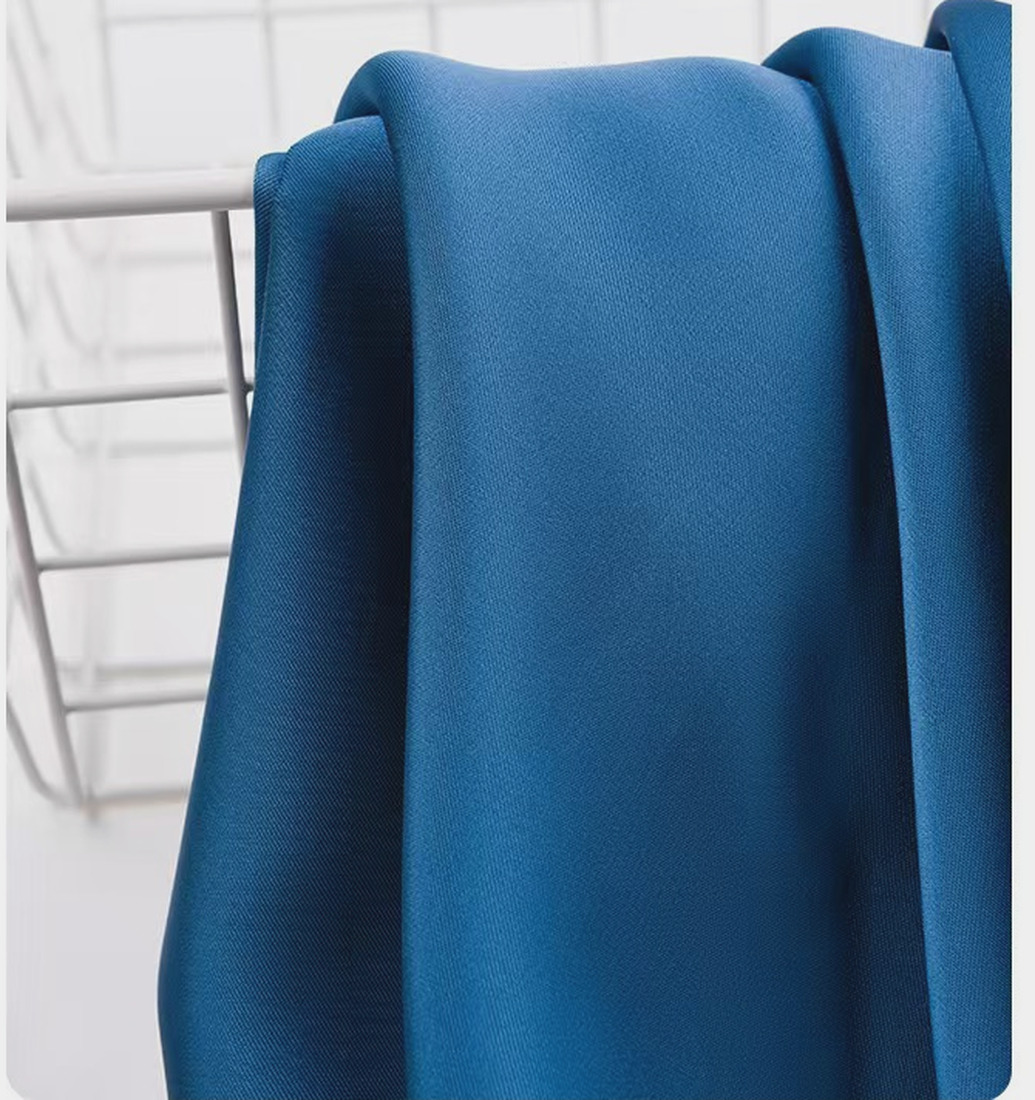
TEAL · LUSTROUS WAVES
|
TEAL · SMOOTH FACE
|
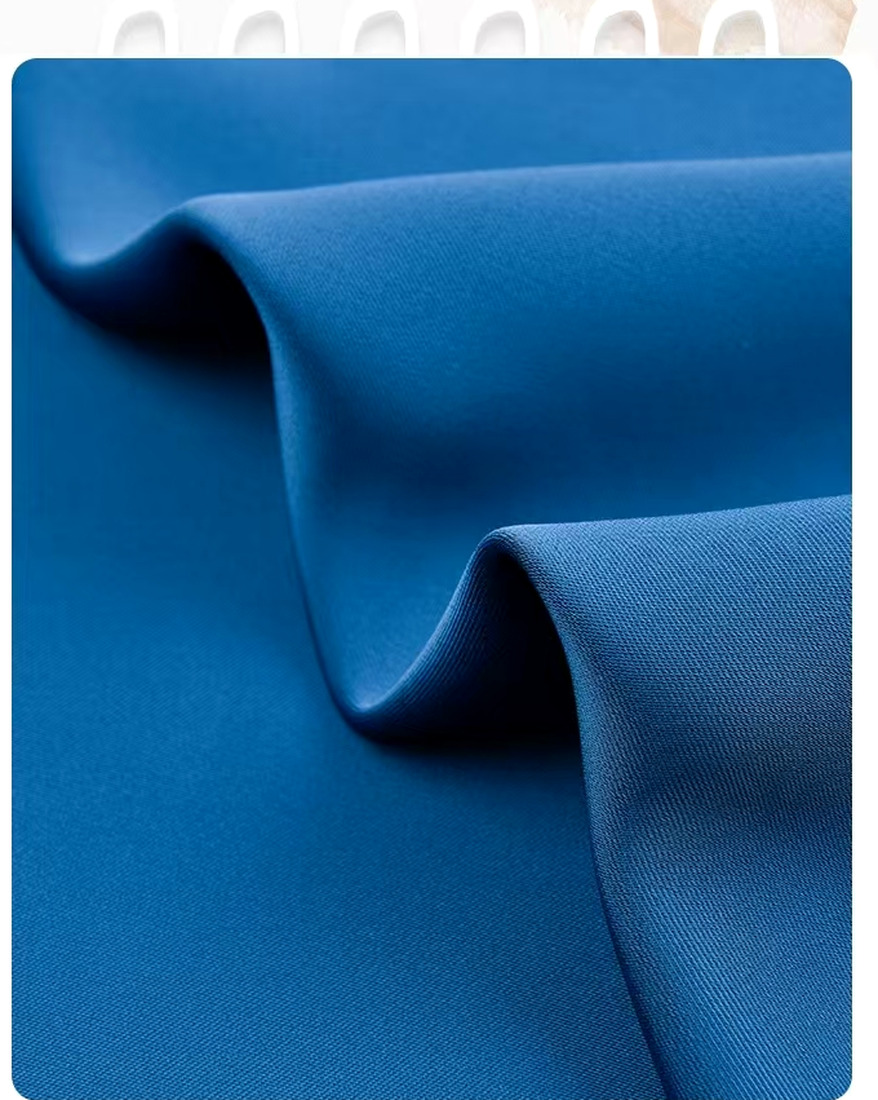
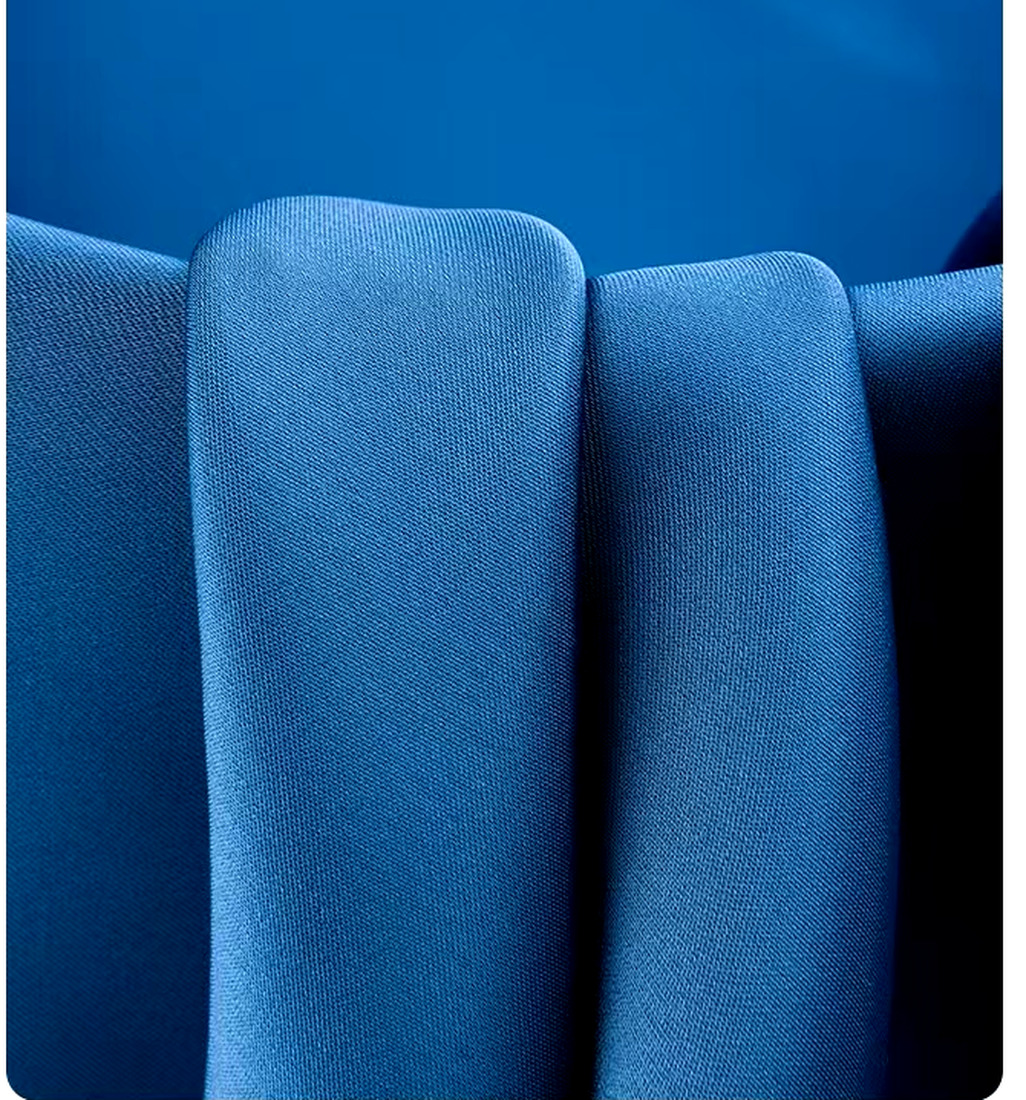
BLUE · SOFT SHEEN
|
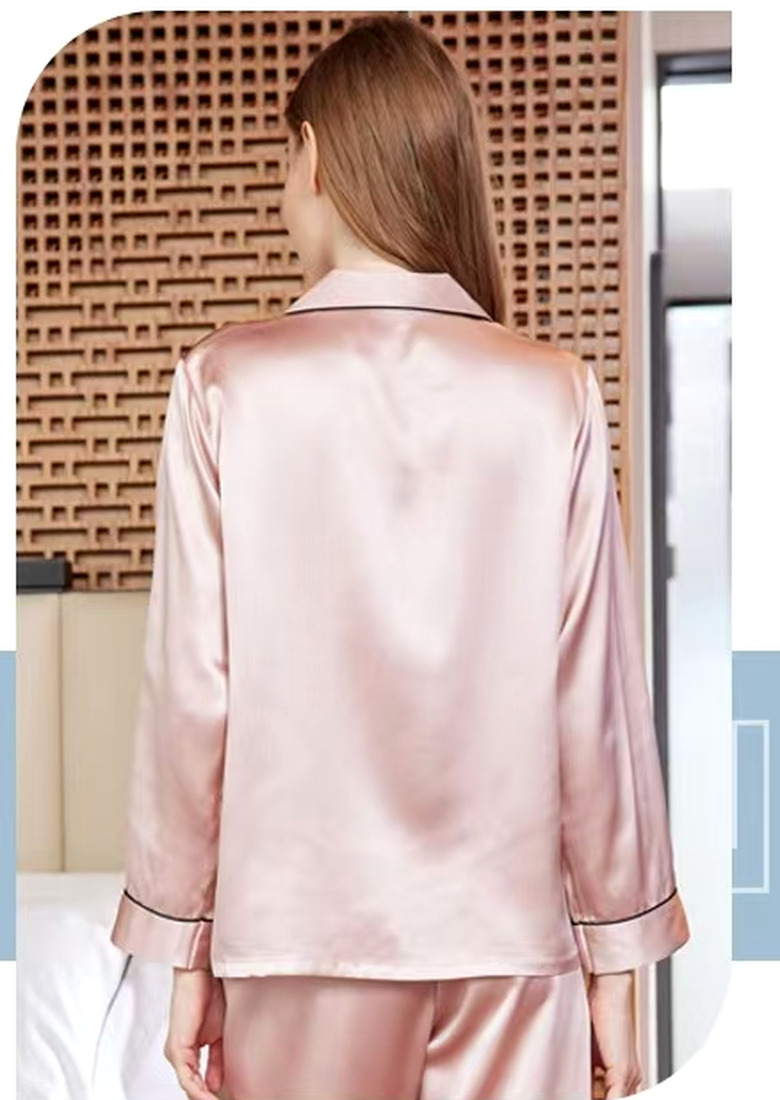
PAJAMA STYLE · PIPING TRIM
|
SHIRT STYLE · MATTE LUSTRE
|
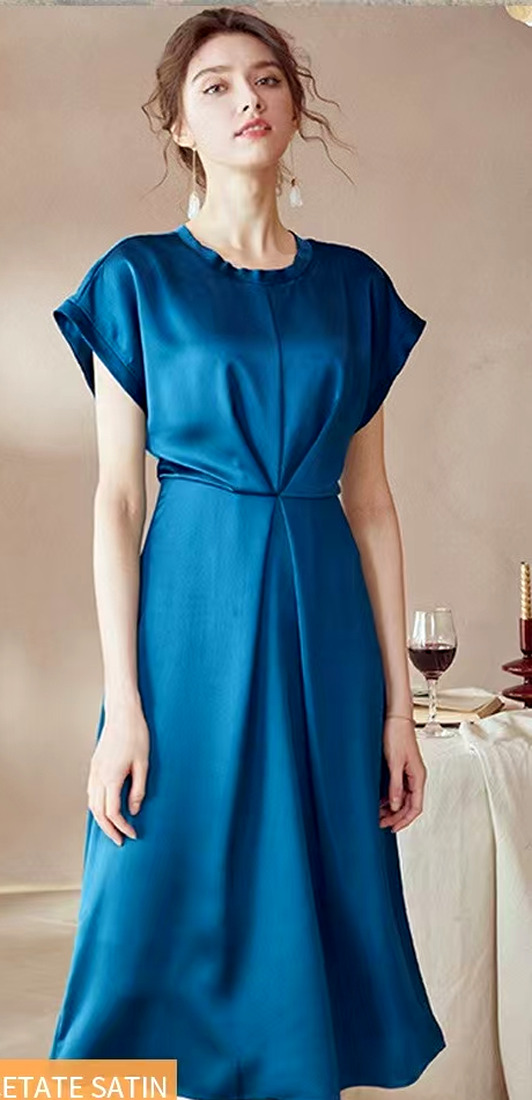
MIDI DRESS · FLUID DRAPE
|
STOCK COLORS
|
IN-STOCK COLORS · 1–73
|
IN-STOCK COLORS · 74–97
|
|
Color Options
Printing Service
Custom Development
Different colors, finishing and hand feel can be developed to your requirements — sample development and small trial orders supported for new customers.
|
VANILLA ICE
Pantone TCX11-0104
COCONUT MILK
Pantone TCX11-0608
SWEET CREAM
Pantone TCX11-0106
ANGORA
Pantone TCX12-0605
LILY WHITE
Pantone TCX11-4301
BIRCH
Pantone TCX13-0905
WHITE ASPARAGUS
Pantone TCX12-0104
WHISPER WHITE
Pantone TCX11-0701
PASTEL ROSE TAN
Pantone TCX12-1007
SEPIA ROSE
Pantone TCX14-1803
ALMOND MILK
Pantone TCX12-4301
PEYOTE
Pantone TCX14-1106
RAINY DAY
Pantone TCX13-5304
DOVE
Pantone TCX15-0000
ALUMINUM
Pantone TCX16-1107
TANNIN
Pantone TCX17-1320
PETRIFIED OAK
Pantone TCX17-1115
HUSHED VIOLET
Pantone TCX14-3803
PEACH WHIP
Pantone TCX14-1309
PALE MAUVE
Pantone TCX15-1607
ROSE SMOKE
Pantone TCX14-1506
FROSTY GREEN
Pantone TCX15-5706
SMOKE GREEN
Pantone TCX15-6315
BASIL
Pantone TCX16-6216
HEDGE GREEN
Pantone TCX17-6323
BLUE SURF
Pantone TCX16-5106
WINTER SKY
Pantone TCX14-4307
STARLIGHT BLUE
Pantone TCX12-4609
BLUE FOG
Pantone TCX15-4008
ADOBE ROSE
Pantone TCX16-1508
LATTE
Pantone TCX15-1220
OLD ROSE
Pantone TCX17-1518
BRUSH
Pantone TCX16-1317
MISTY LILAC
Pantone TCX15-3807
LAVENDER AURA
Pantone TCX16-3911
PURPLE ASH
Pantone TCX17-3810
PURPLE SAGE
Pantone TCX18-3712
CASTOR GRAY
Pantone TCX18-0510
MAJOR BROWN
Pantone TCX19-0810
CARAFE
Pantone TCX19-1116
SUBTLE GREEN
Pantone TCX14-6008
SAGE
Pantone TCX16-0421
BURNT OLIVE
Pantone TCX18-0521
PINENEEDLE
Pantone TCX19-5920
DEEP DIVE
Pantone TCX19-4126
COASTAL FJORD
Pantone TCX18-3920
SMOKE BLUE
Pantone TCX17-4412
SUMMER SHOWER
Pantone TCX11-4802
Morandi Tone Library — 55 Colors · Matched to Pantone TCX References
This group of Morandi colors is for reference only, available for custom dyeing. We can also match any Pantone TCX provided by buyers.
Custom Reference Colors — Not In-Stock · Lab Dip Lead Time 5–8 Days
|
| ✓ Fabric appearance | ✓ Width checking | ✓ GSM checking |
| ✓ Color shade checking | ✓ Hand feel checking | ✓ Packing inspection |
| ✓ | Factory direct supply — stable pricing & lead time | ✓ | Flexible MOQ for development & bulk |
| ✓ | Fast sample development | ✓ | Professional woven fabric production |
|
Q: What is the composition and construction of this fabric?
This is item 8028 Armani Satin: 96% polyester 4% spandex woven in a armani satin construction with warp-faced floats, giving a soft matte, airy sheer finish with a fluid drape. Weight is 95 GSM with a 150 cm width.
|
|
Q: Is 95 GSM suitable for dresses and dresses?
Yes. At 95 GSM the fabric is lightweight with a fluid, elegant drape and good opacity. The soft matte satin surface makes it ideal for dresses, evening gown, evening dresses, blouses and linings.
|
|
Q: Can you dye this fabric to my own morandi or Pantone colors?
Yes. We keep 97 in-stock colors plus a 55-color morandi tone library (low-saturation shades for SS womenswear) and can match any Pantone TCX or buyer-supplied color reference with a lab dip for approval before bulk dyeing.
|
|
Q: What is your MOQ for this item?
Stock colors ship immediately with small-quantity sampling supported. Custom dyeing MOQ is flexible and discussed according to color and production requirements.
|
|
Q: Do you provide samples before bulk production?
Yes. Fabric samples, swatch cards and lab dips are available for hand feel, weight and color evaluation before bulk production.
|
|
Q: Do you offer printing as well as solid dyeing?
Yes. Digital printing and rotary printing are both available on this satin base fabric; custom artwork in AI / PDF / TIFF files and Pantone references is accepted.
|

FABRIC ENQUIRY
Ask about this fabric
Share your requirements and our team will reply within 24 hours.