FAB-259308718
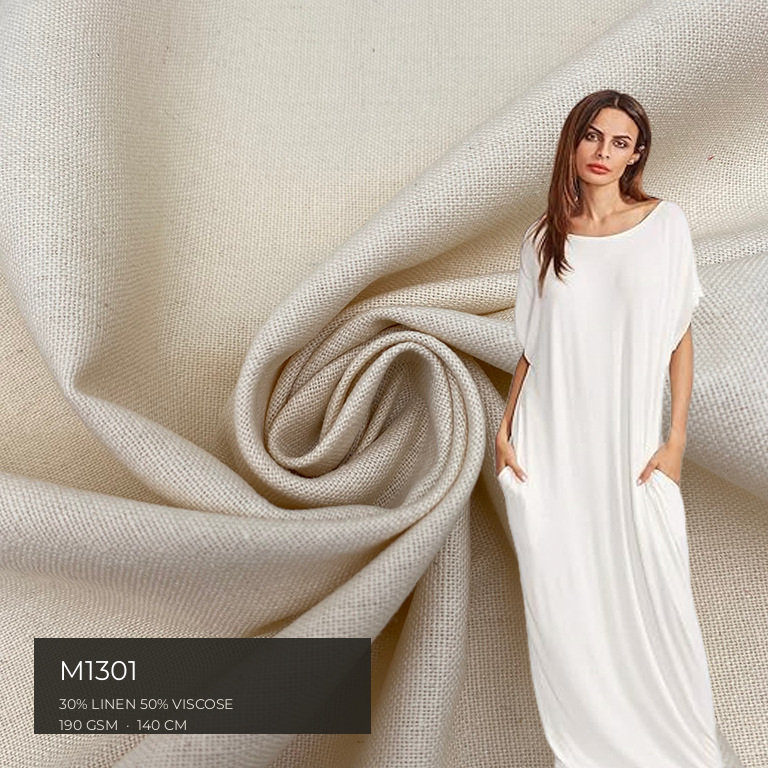
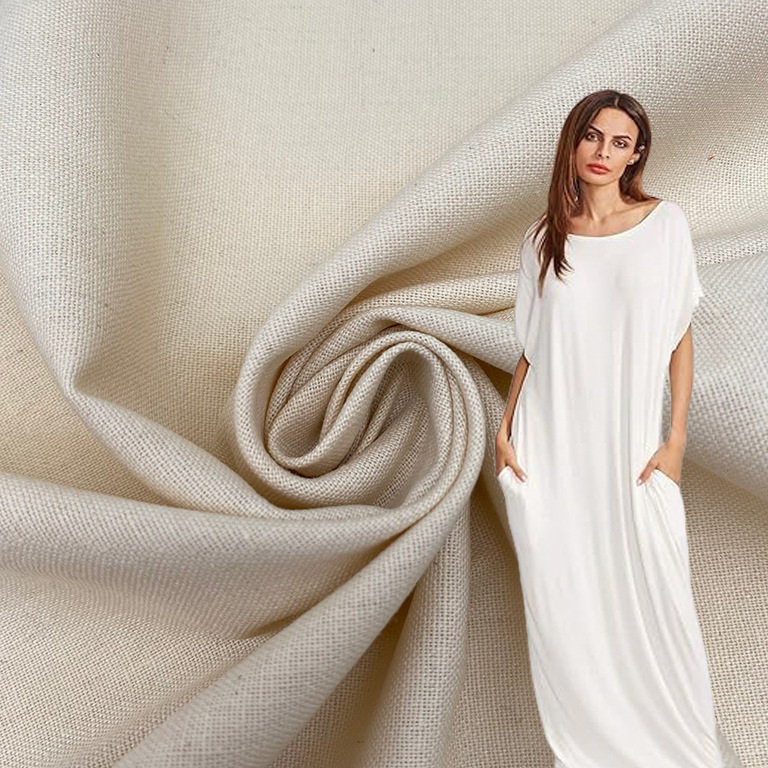
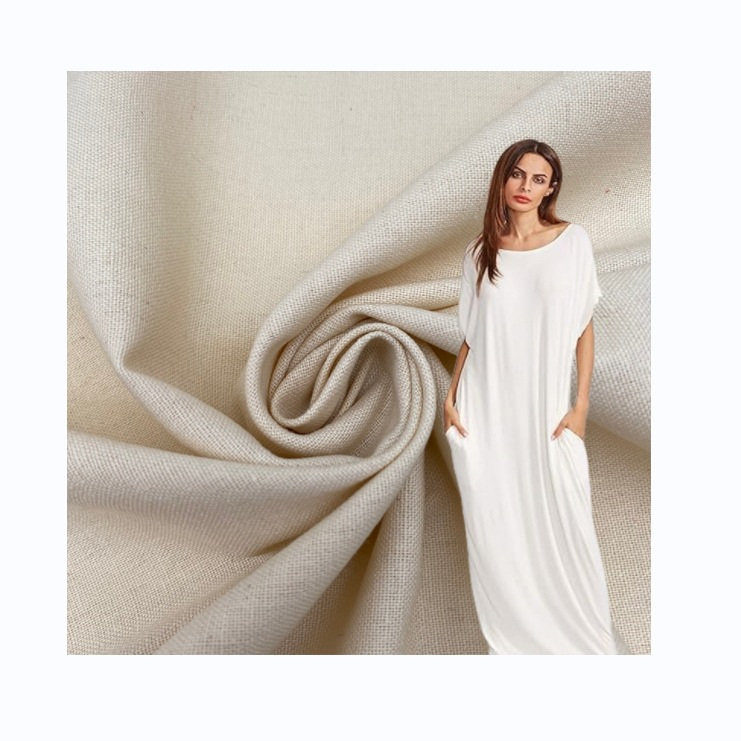
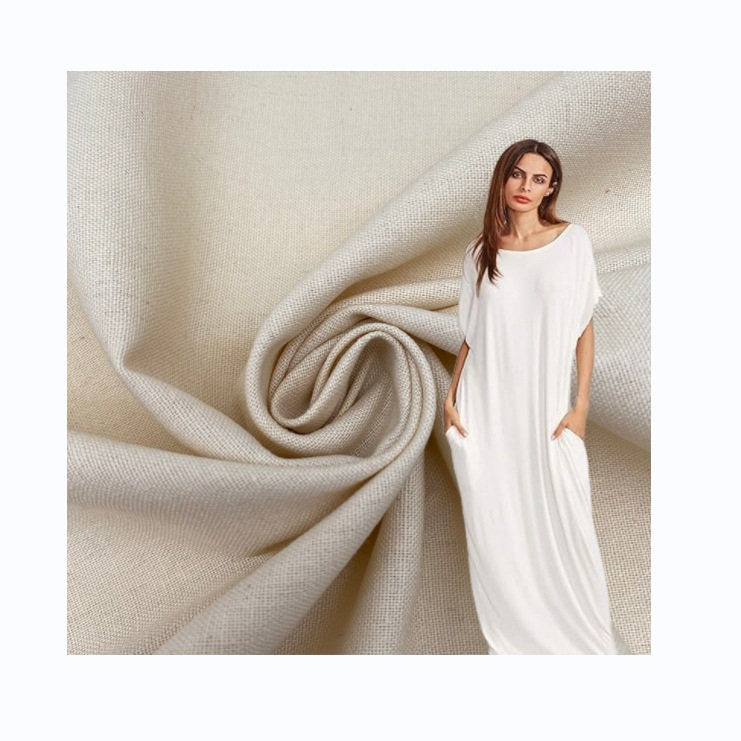
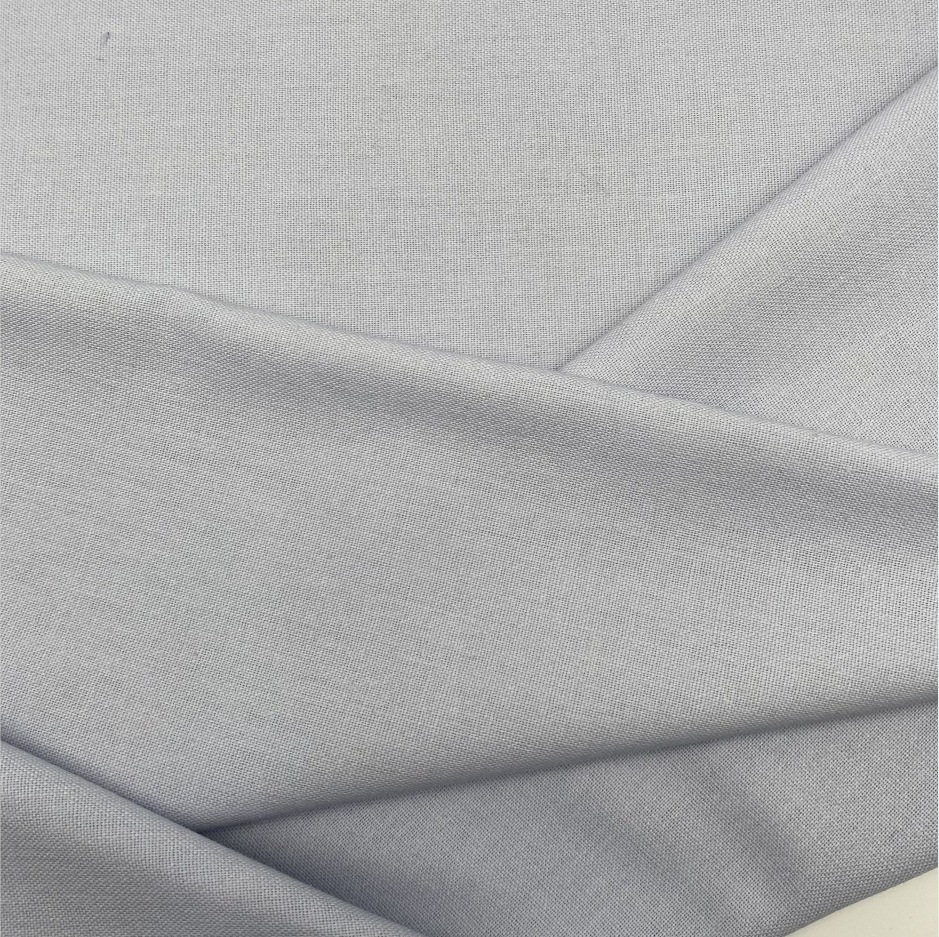
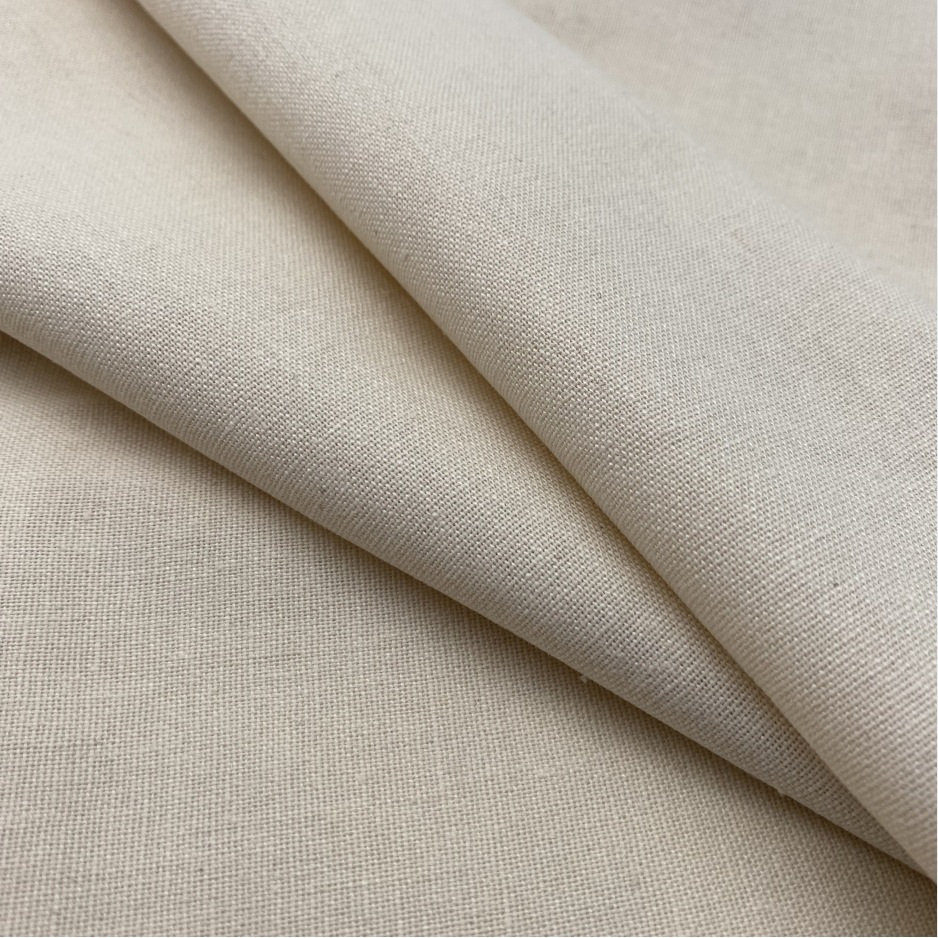
M1301 30% Linen 50% Viscose Blend Fabric 11S 200 GSM 140cm Width – for Dresses, Skirts and Shirts
Quote required
Contact us for the latest price and availability.
- Composition
- 30% Linen 50% Viscose
- Weight
- 200 GSM
- Width
- 55 inches
- Weave
- TBC
- Category
- Linen Fabric Wholesale / Linen Solid Color Dyed Fabric / Woven
- MOQ
- Negotiable
Sampling & delivery
Build your sample selection, then download a sourcing brief. Ordering, stock and delivery will be enabled after the store information is confirmed.
FABRIC STORY
Product details
| SHAOXING HENGHUI TEXTILE CO., LTD. | ITEM NO. M1301 LINEN-VISCOSE · 30% LINEN 50% VISCOSE · 11S · 200 GSM |
Linen Viscose Blend Fabric 11S
140 CM
11S YARN
30% LINEN / 50% VISCOSE
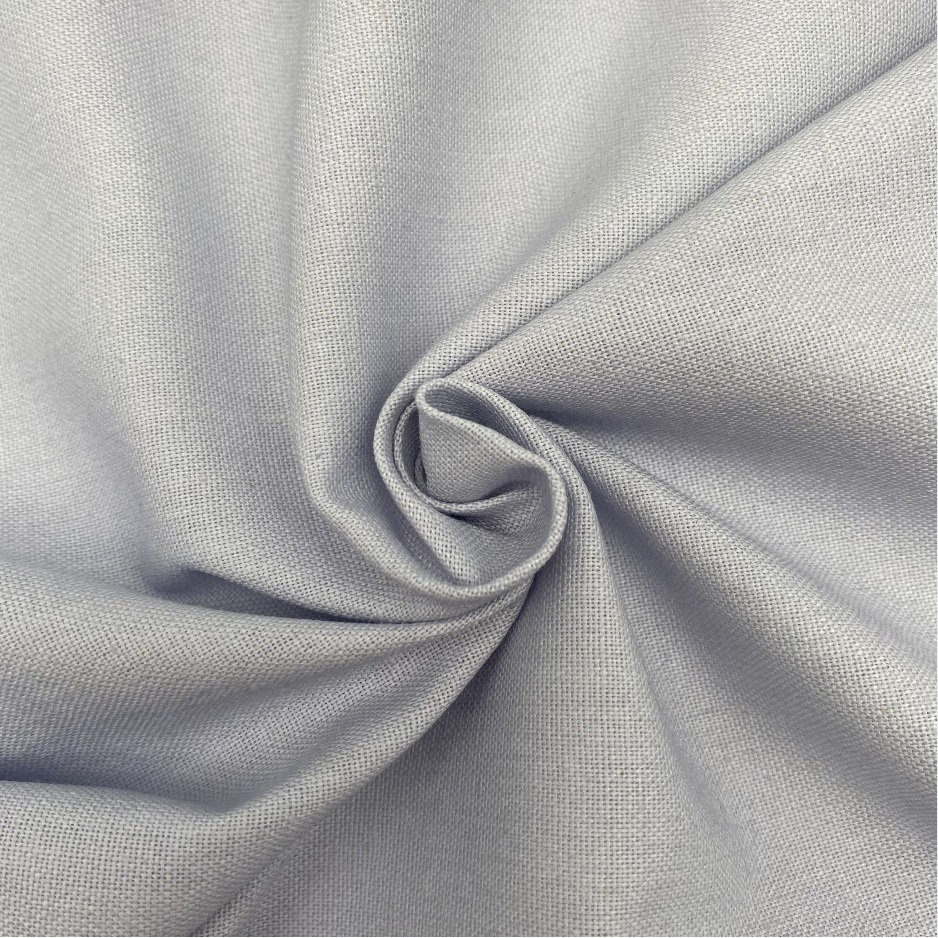
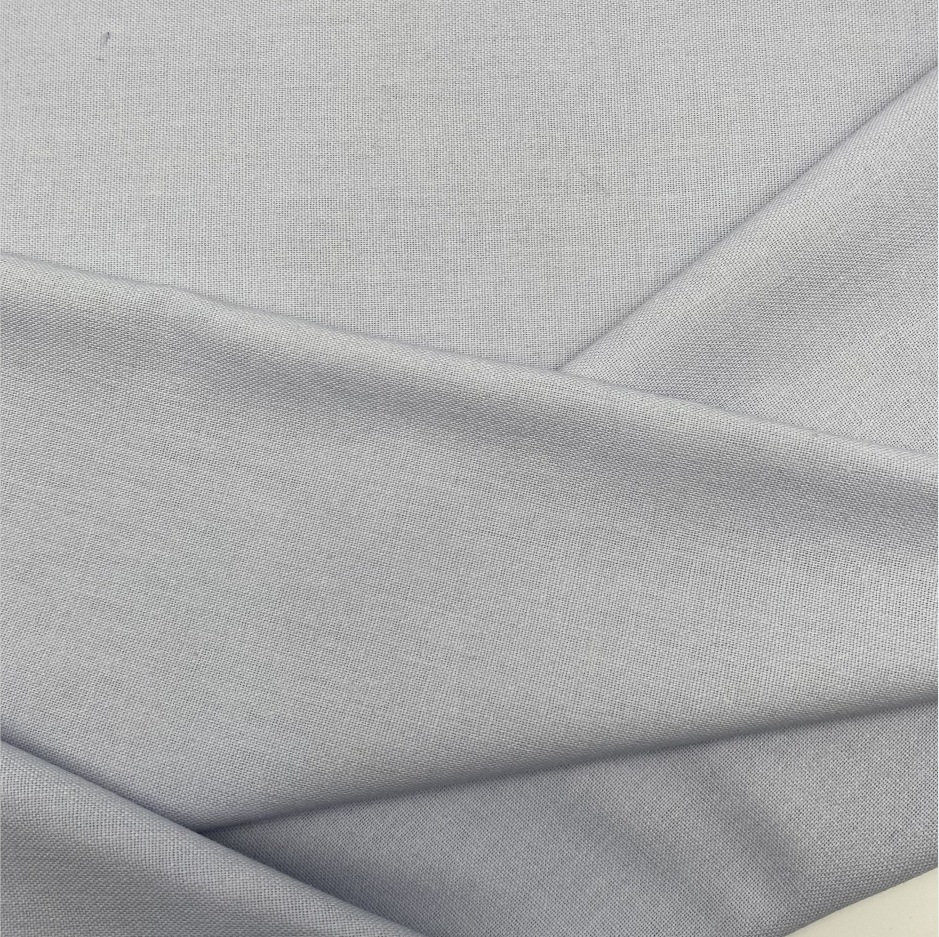
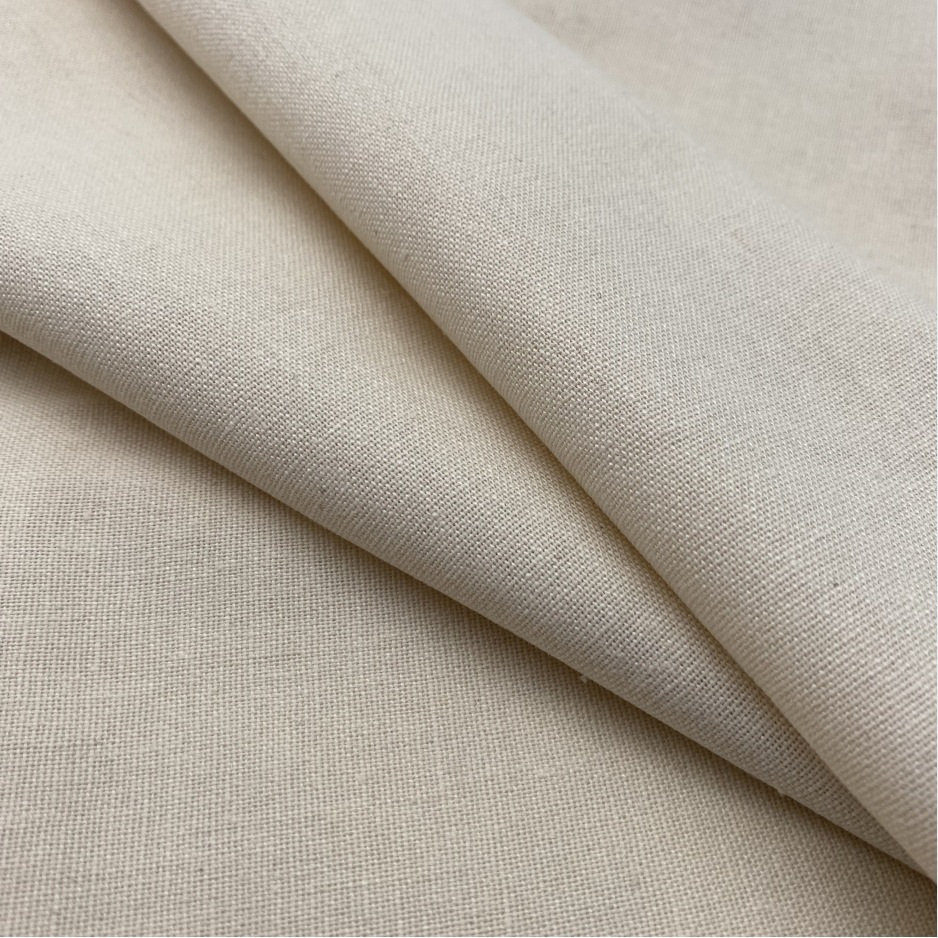
Item M1301 is a woven 30% linen / 50% viscose blend with 17% polyester and 3% cotton, spun at 11s × 11s in a 56 × 40 density, finished at 200 GSM and 140 cm wide. This is the high-drape construction of the linen family: the linen content keeps the natural texture and the air moving through it, while the majority viscose gives the fall that a 200 GSM cloth needs in order to hang rather than stand away from the body. It is a cloth that looks fluid and behaves like a natural fabric.
At this proportion the viscose is doing the structural work. A linen-viscose cloth of this type scores around 9 out of 10 for drape against roughly 5 for pure linen, which is the difference between a skirt that falls and a skirt that hangs. The linen keeps the texture; the regenerated cellulose keeps the fall.
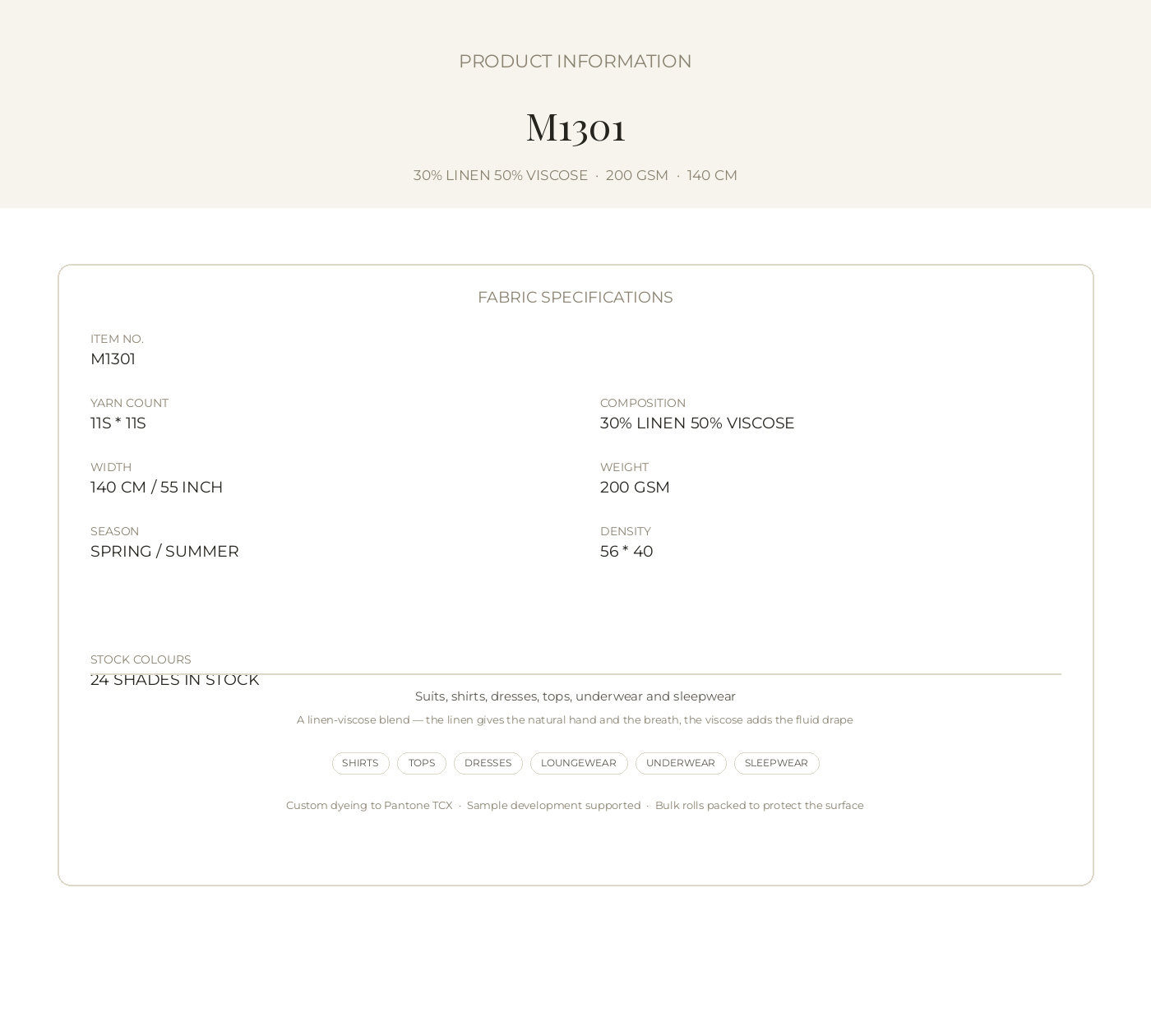
| Specification | Item M1301 |
| Item No. | M1301 |
| Composition | 30% Linen, 50% Viscose, 17% Polyester, 3% Cotton |
| Yarn Count | 11S × 11S |
| Density | 56 × 40 |
| Weight | 200 GSM |
| Width | 140 cm / 55 inch |
| Finish | Piece dyed |
| Season | Spring / Summer |
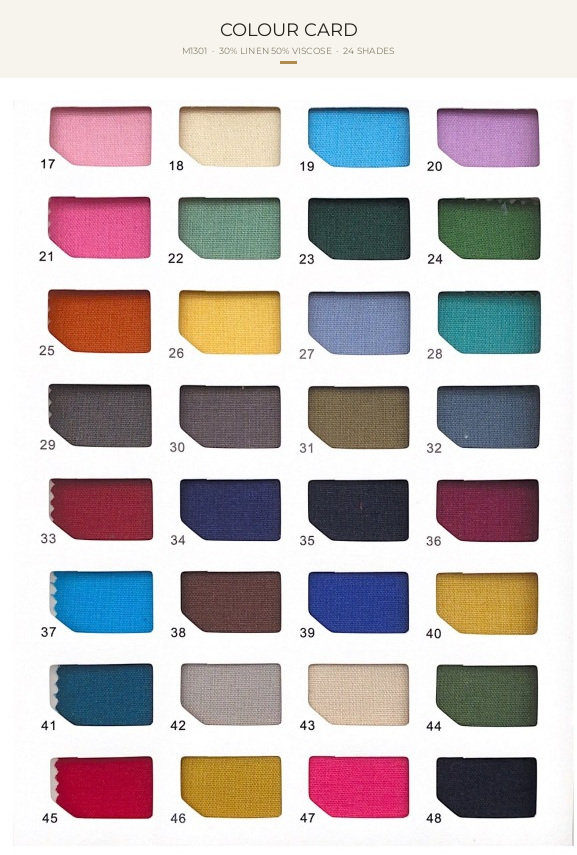
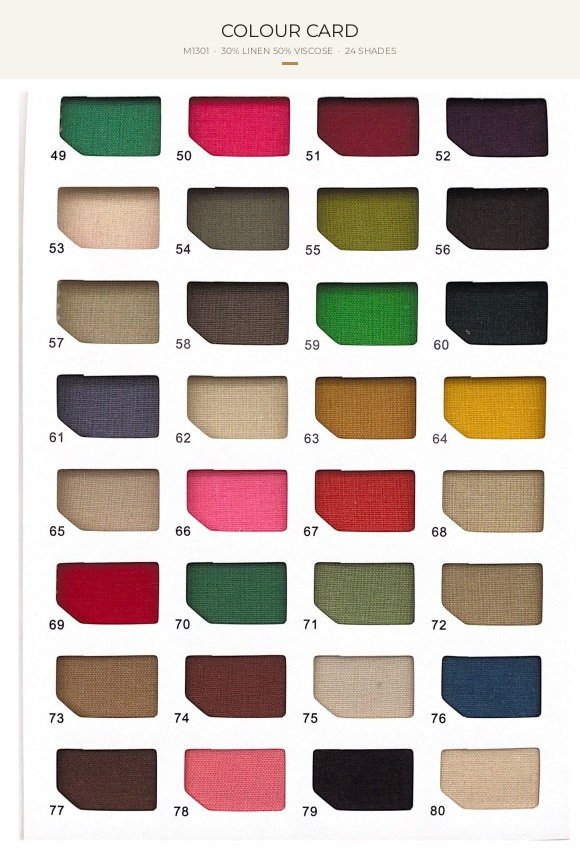
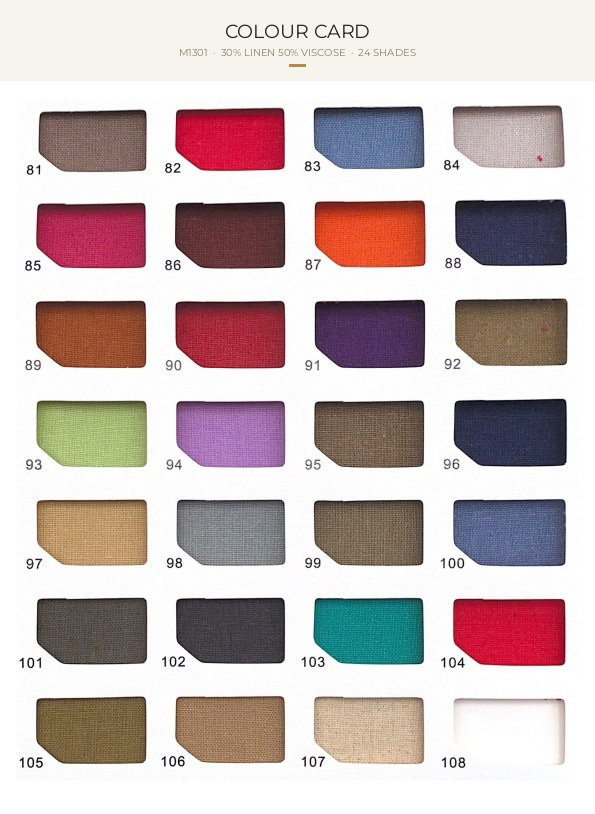
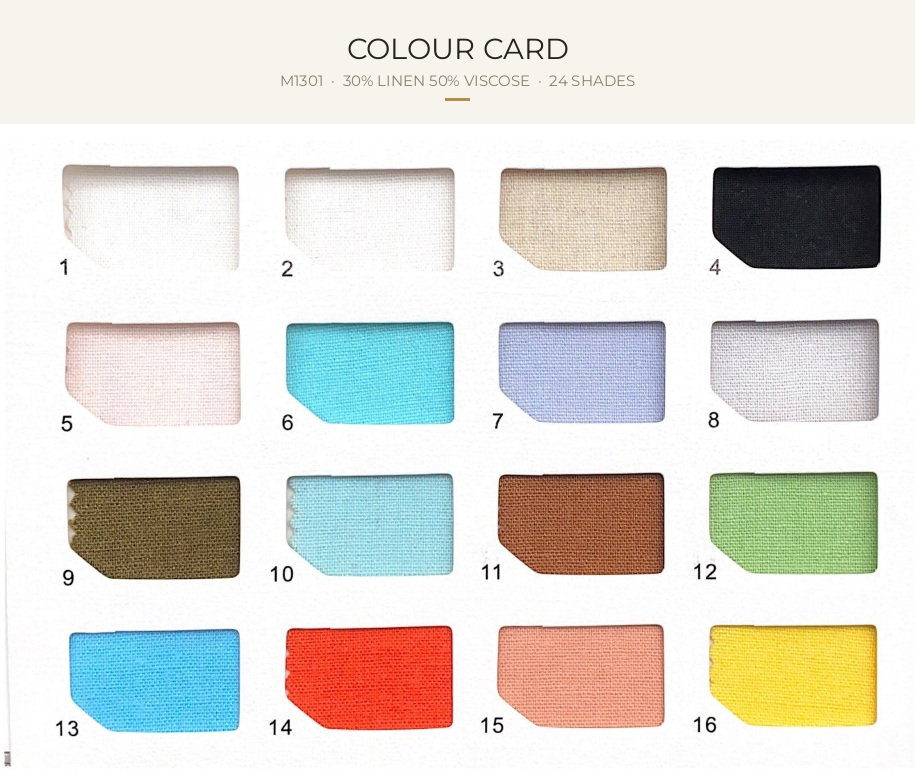
| Stock Colors | 24 shades in stock |
Five properties decide how this cloth behaves in wear. Together they are the reason a linen / viscose is specified instead of a pure fibre or a cheaper look-alike.
Where this weight sits. At the heavy end of the range. There is enough body here to hold a line in a trouser or an unlined jacket, and enough weight for the cloth to hang rather than cling. That makes it the natural choice for trousers, jackets, structured dresses and tailoring — and the honest trade-off is that viscose weakens when wet, so wet strength is lower and the wash care has to be gentler.
At this proportion the viscose is doing the structural work. A linen-viscose cloth of this type scores around 9 out of 10 for drape against roughly 5 for pure linen, which is the difference between a skirt that falls and a skirt that hangs. The linen keeps the texture; the regenerated cellulose keeps the fall.
Viscose accepts dye readily — a dye uptake rating of around 9 out of 10 against 5 for pure linen. In practice the shades on this cloth read deeper and cleaner with better saturation across the range, and it is why a linen-viscose can carry a bright summer color that a pure linen of the same weight would look washed out in.
Pure linen is stiff when it is new — it softens through washing, which is a process the customer has to wait for. Viscose changes that. The regenerated cellulose fibre fills the space between the linen fibres and removes the coarse, scratchy feel that pure linen can have against the skin, so this cloth is soft from the first wear and comfortable against sensitive skin. That is the practical difference between a linen shirt a customer keeps on and one they take off after an hour.
Linen has an open weave and a natural capillary structure that moves moisture away from the skin and transports heat quickly, which is what gives linen its characteristic cool feel in hot weather. The viscose component adds to the moisture handling rather than working against it, so the cloth stays comfortable through a full day.
Two things are worth stating plainly. Viscose fibres weaken when wet, so this cloth has a lower wet strength than pure linen and should be washed cold on a gentle cycle rather than wrung or tumbled hard. And an untreated linen-viscose shrinks roughly 3% on the first wash; our production is pre-shrunk, which brings that down to under 2%, but the care label should still say cold wash, gentle cycle, do not wring, and dry flat or hung in the shade.
At 200 GSM and above 190 GSM this is At the heavy end of the range. There is enough body here to hold a line in a trouser or an unlined jacket, and enough weight for the cloth to hang rather than cling.. It crosses from shirting into light tailoring, and it is worth being clear about which end of the range a buyer is buying.
This is where the blend earns its place. The fluid drape makes a full skirt or a slip dress hang correctly without the fabric clinging, and the linen content keeps enough body that a wide-leg trouser or a loose suit holds its line instead of collapsing into the body. The 140 cm width also gives efficient marker making for long panels.
The softness is what makes it work as a shirt. At 200 GSM this has more substance than a typical summer shirting, which means it works as a shirt without being stiff. The reduced creasing keeps it looking sharp through a working day, and the softer hand makes it comfortable enough for a loose, open shirt worn over a slip.
The polyester content gives the cloth a stability that a pure linen-viscose lacks, which is what lets it hold a crease in a trouser or an unlined jacket while still reading as a natural fabric. It is the reason this construction works for suiting and not only for dresses.
| Service | Detail |
| Sampling | Hand sample or cutting sample before bulk |
| Lab dip | 3–5 shades against Pantone TCX or our own library |
| Greige | Full-width greige available on request |
| Development | Custom ratio, weight, width, finish and dyeing |
| Production | Yongshun Dyeing & Finishing Plant |
| MOQ | Negotiable |
FABRIC ENQUIRY
Ask about this fabric
Share your requirements and our team will reply within 24 hours.