FAB-798290208
M1352 Linen Viscose Slub Fabric 12S x 12S 190 GSM 140cm – for Shirts, Dresses, Trousers and Tailoring
Quote required
Contact us for the latest price and availability.
- Composition
- 30% Linen / 70% Viscose
- Weight
- 190 GSM
- Width
- 55 inches
- Weave
- Plain weave
- Category
- Linen Fabric Wholesale / Linen Solid Color Dyed Fabric / Woven
- MOQ
- Negotiable
Sampling & delivery
Build your sample selection, then download a sourcing brief. Ordering, stock and delivery will be enabled after the store information is confirmed.
FABRIC STORY
Product details
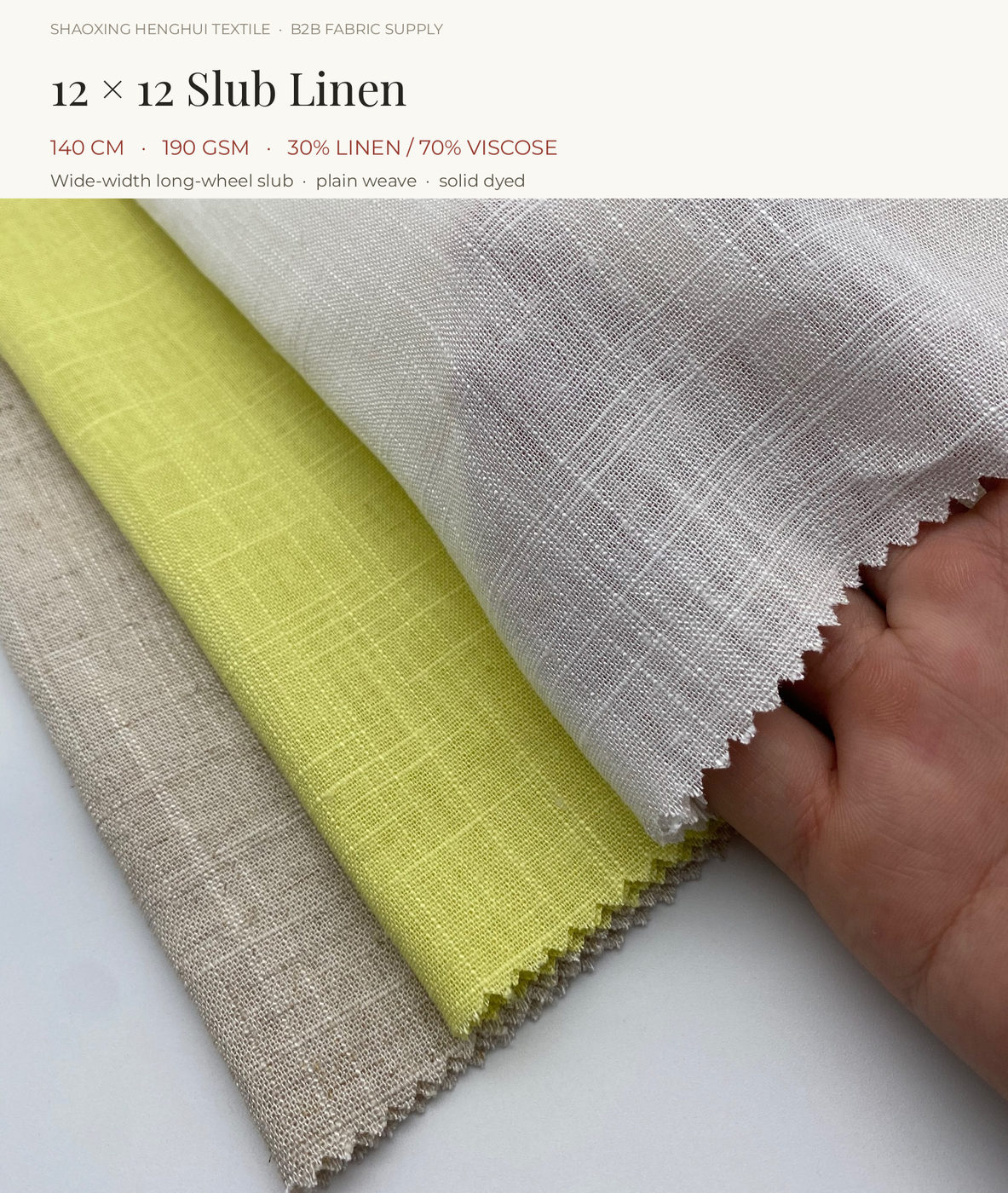
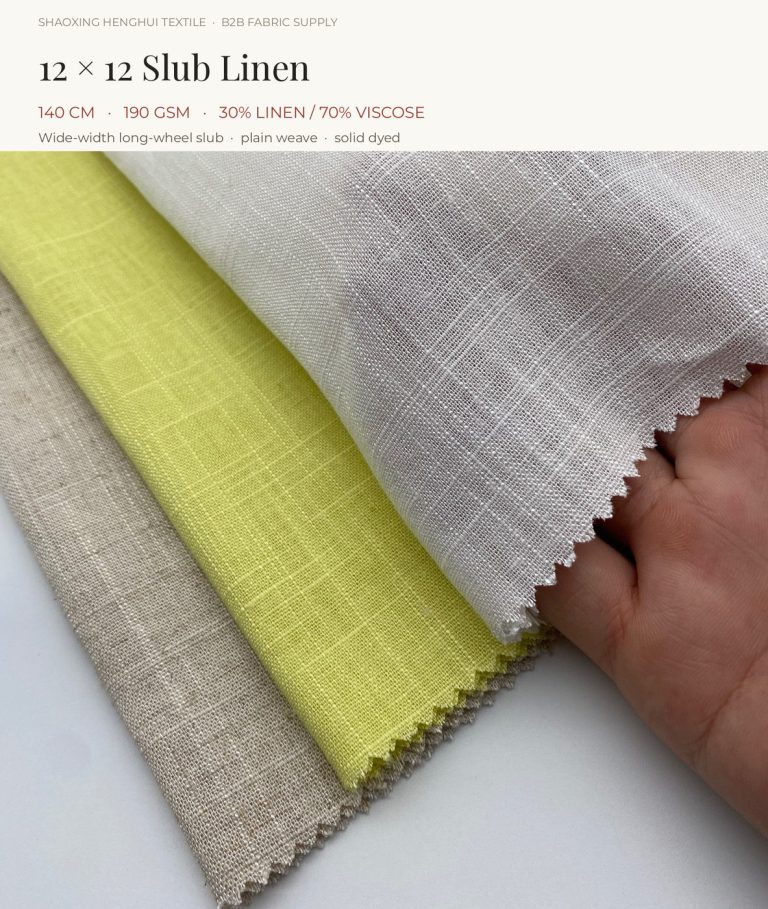
| SHAOXING HENGHUI TEXTILE CO., LTD. | ITEM NO. M1352 LINEN-VISCOSE · 12S SLUB · 190 GSM · 140 CM |
12 × 12 Slub · 190 GSM
140 CM
12 x 12 SLUB
30% LINEN / 70% VISCOSE
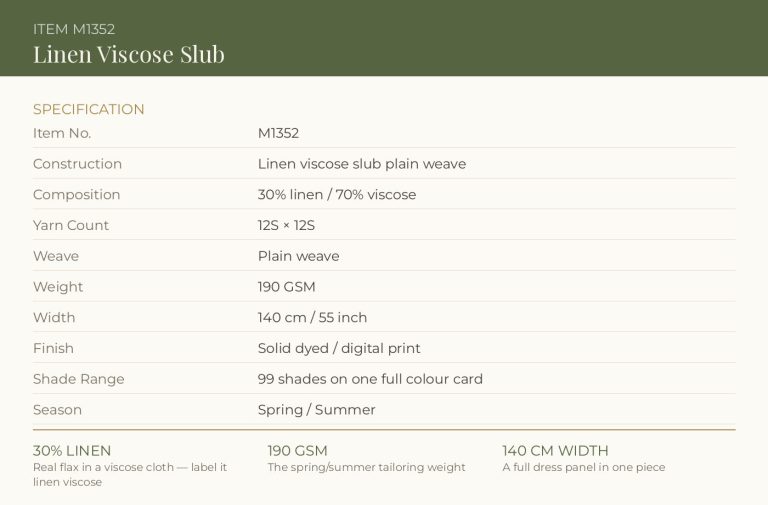
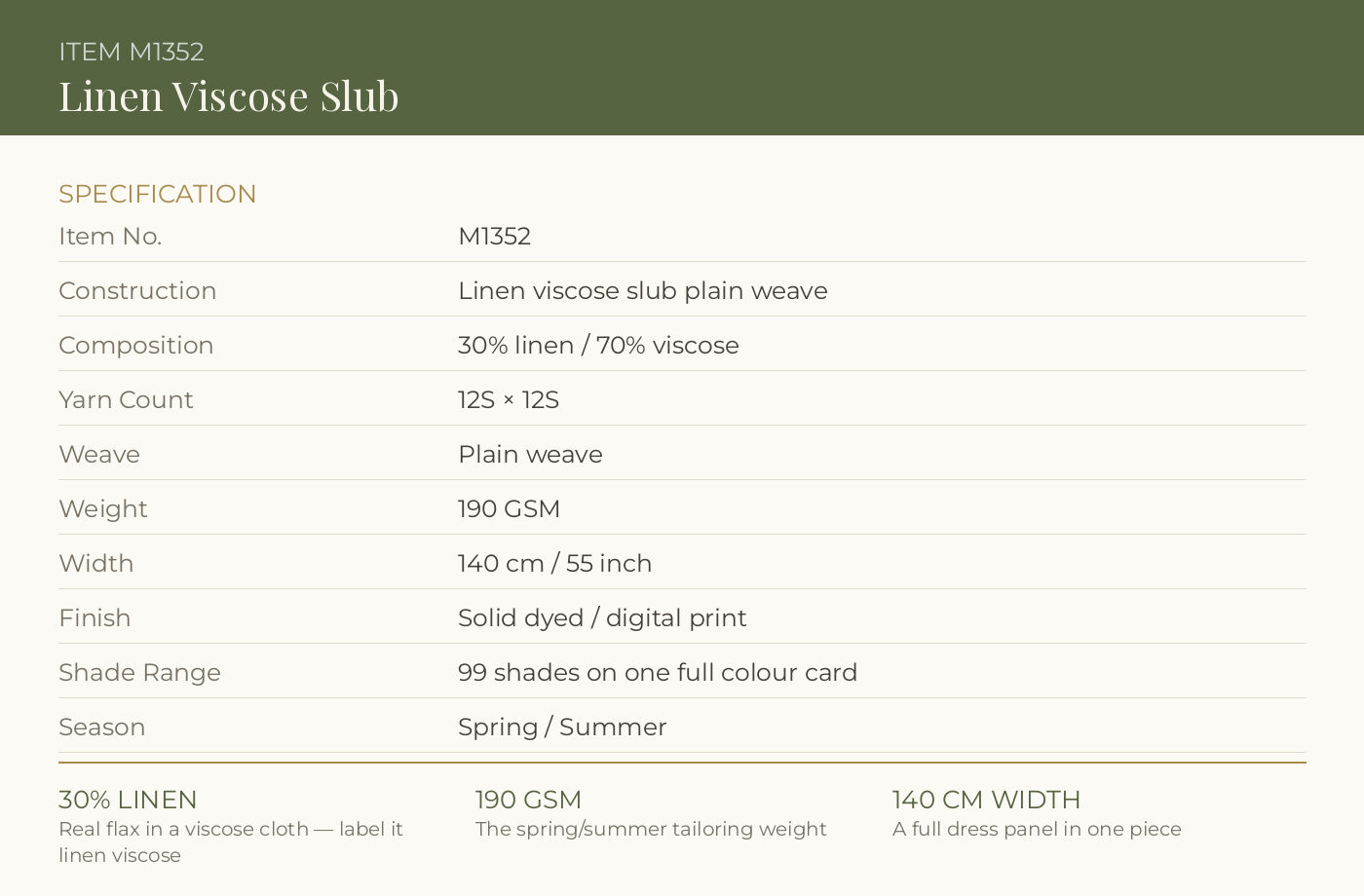
| Specification | Item M1352 |
| Item No. | M1352 |
| Construction | Linen viscose slub |
| Composition | 30% linen / 70% viscose |
| Yarn Count | 12S × 12S |
| Density | On request |
| Weight | 190 GSM |
| Width | 140 cm / 55 inch |
| Weave | Plain weave |
| Finish | Solid dyed / digital print |
| Season | Spring / Summer |
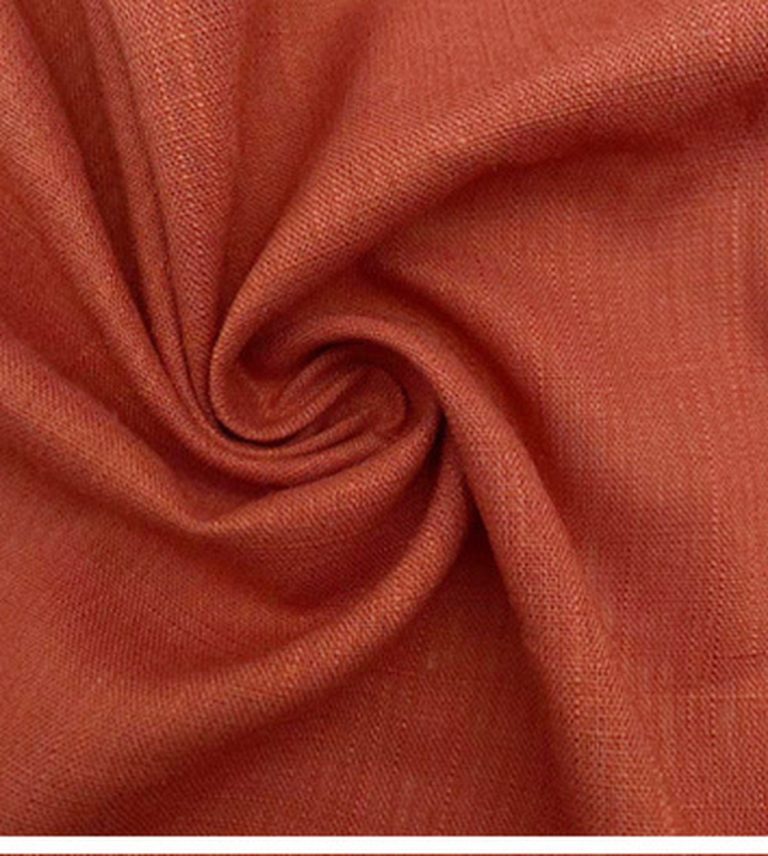
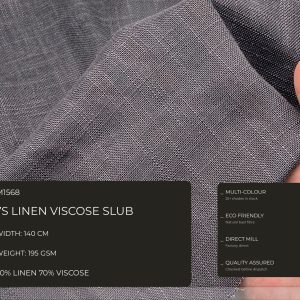
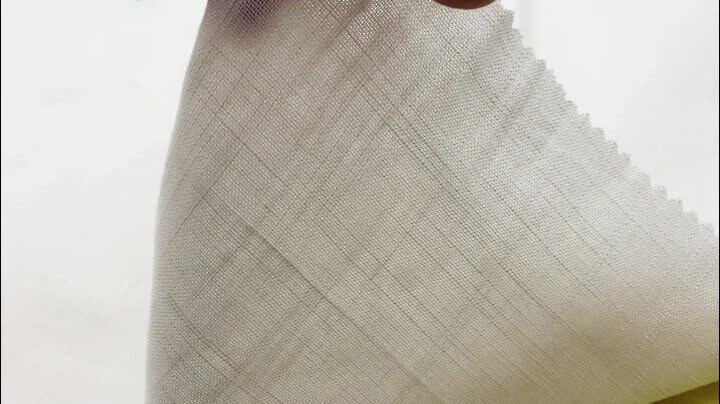
Item M1352 is a linen viscose slub spun at 12s × 12s, finished at 190 GSM and 140 cm wide, in solid dyed shades and digital print. The yarn count is the whole story: at 12s the slub reads as a fine, even grain — smooth from a distance, textured only up close. That is why this count goes into shirt and dress programmes rather than a rustic textured range.
The fibre ratio is 30% linen and 70% viscose — a viscose cloth carrying real flax, not a linen cloth. The flax brings fast heat and moisture conduction and natural resistance to bacteria and odour; the viscose brings the drape. The label should read linen viscose with the percentage stated.
Where this weight sits. At 190 GSM this is the middle of the range and the middle is where most linen apparel actually lives — heavier than the 60–100 GSM cloths used for sheers, lighter than the 200+ GSM linens used for upholstery. It is the weight that makes a shirt that stands away from the body and a dress that holds a shape, and the honest trade-off is that flax is only 30% of the blend, so it must be labelled linen viscose rather than linen.
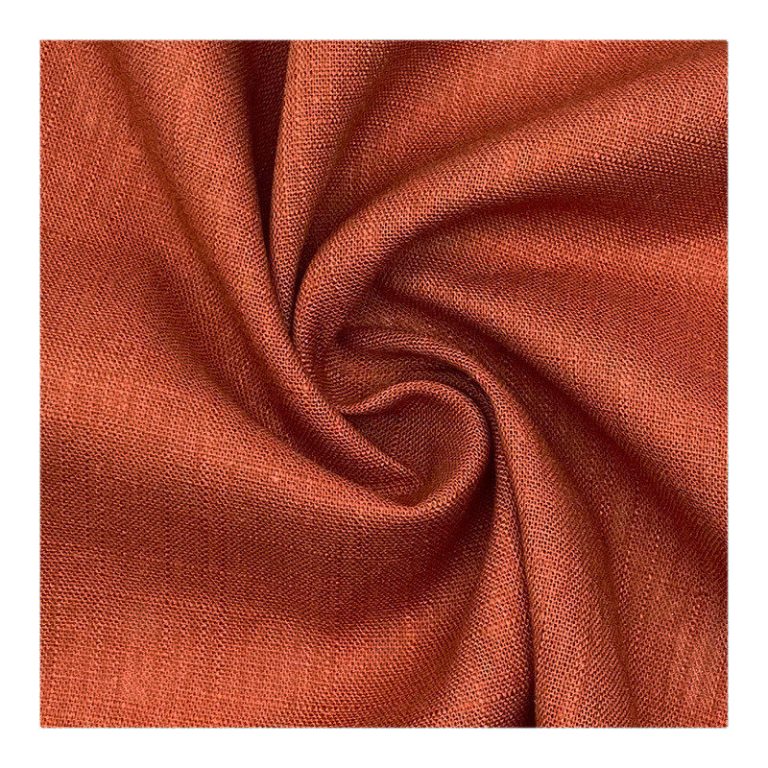
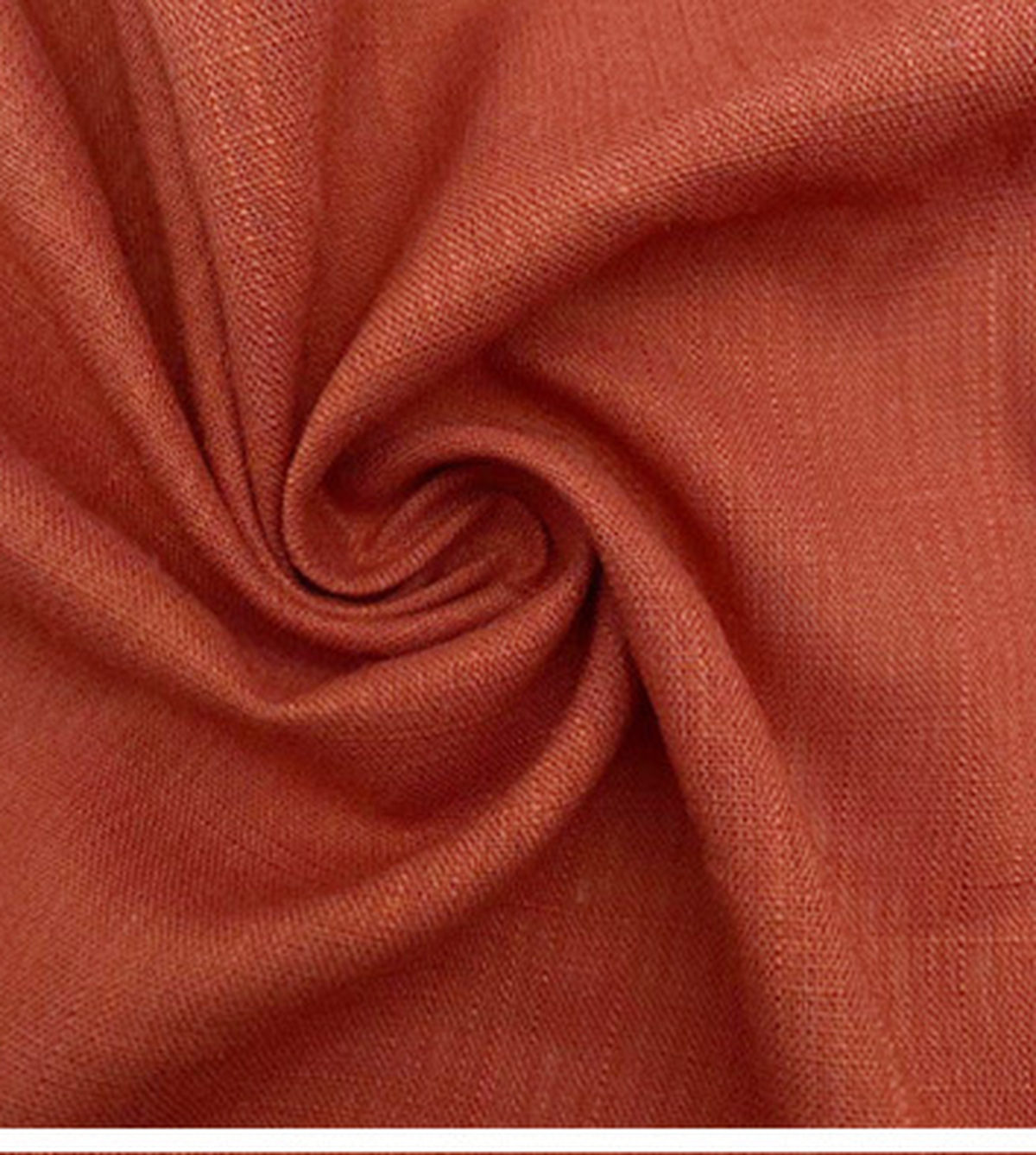
The count decides how the slub looks. At 12 × 12 the yarn is fine, and the slub comes out as a fine, even grain rather than the pronounced lumps of a coarser count — the cloth looks smooth from a distance and only reveals its texture up close. This is ring-spun slub: ring spinning suits a fine, short slub, so the bumps arrive at a regular interval instead of clustering into patches.
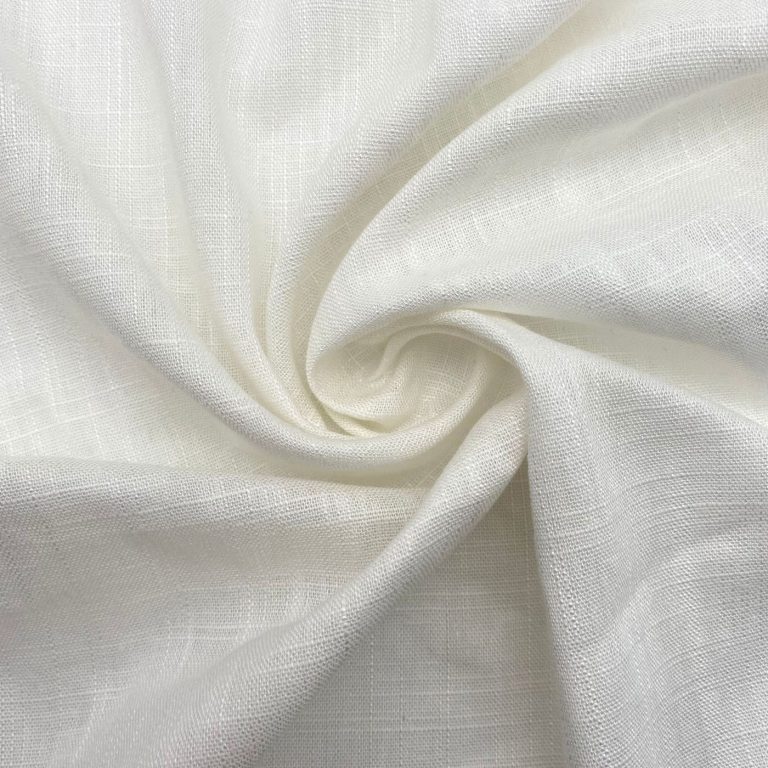
What that means commercially is a cloth that is flat and wearable. A 4.5s or 7s slub reads as a deliberate textured cloth and has to be styled around it; a 12s slub reads as good-quality plain weave that happens to have a grain. That is why this count sells into shirt and dress programmes where a heavier slub would look too rustic.
Two things are worth separating here. First the fibre ratio: 30% linen and 70% viscose means this is a viscose cloth carrying real flax, not a linen cloth. The flax contributes fast heat and moisture conduction — cool against the skin, quick to dry — and a natural resistance to bacteria and odour. The viscose contributes the drape and the softness.
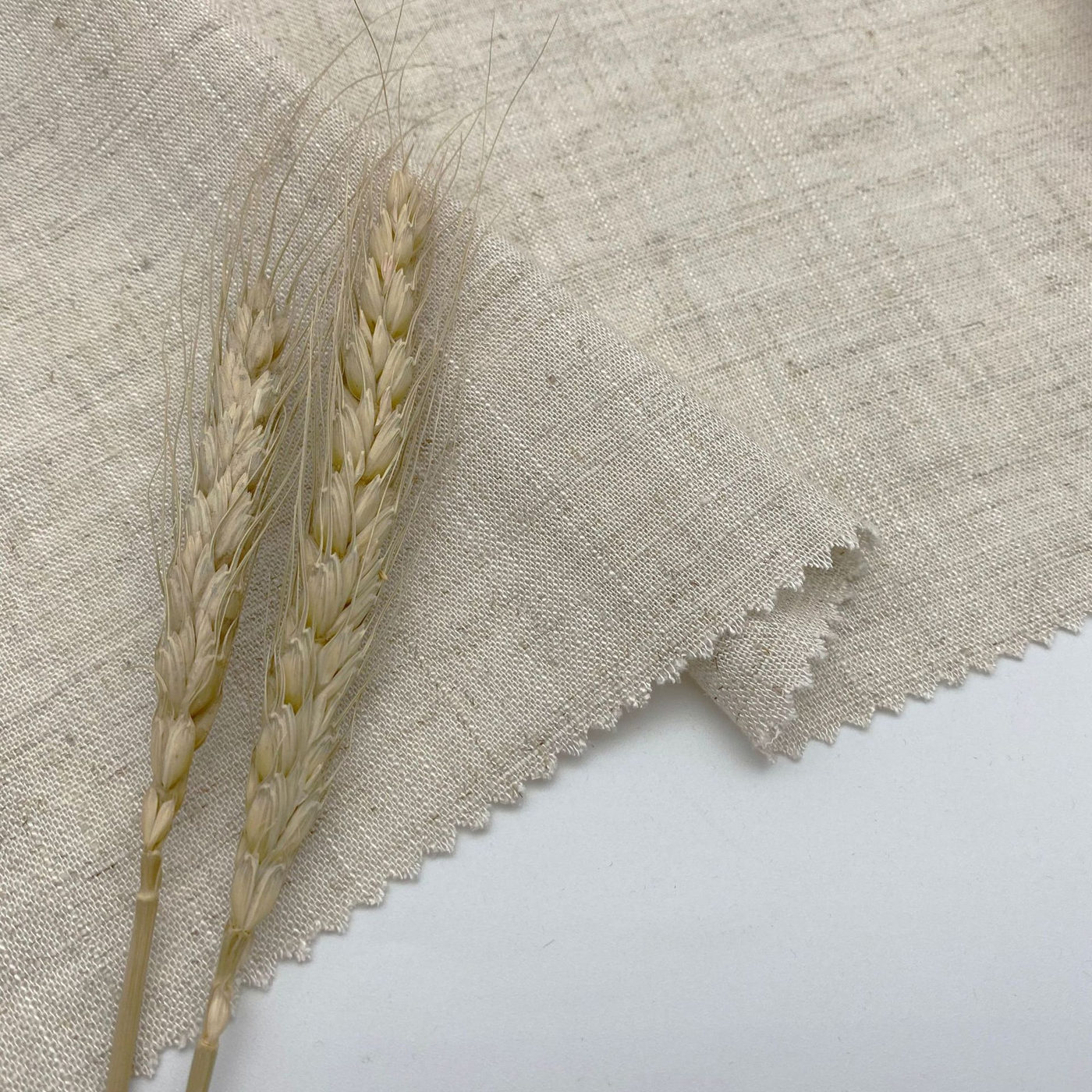
Second the slub itself: because the yarn is thicker in places and thinner in places, the thick sections take up dye differently from the thin ones. That is why slub cloth develops a soft speckled or rain-streak effect instead of a flat single tone, and it is the reason a slub color range never looks quite like a solid one. The effect is more pronounced on a coarse count and more refined here.
At 190 GSM this is the weight the industry calls the spring/summer tailoring weight — light enough to wear in warm weather, substantial enough to hold a collar and a waistband. In practice that means a shirt that does not go transparent, a dress that hangs instead of clinging, and a trouser that stays clean down the leg.
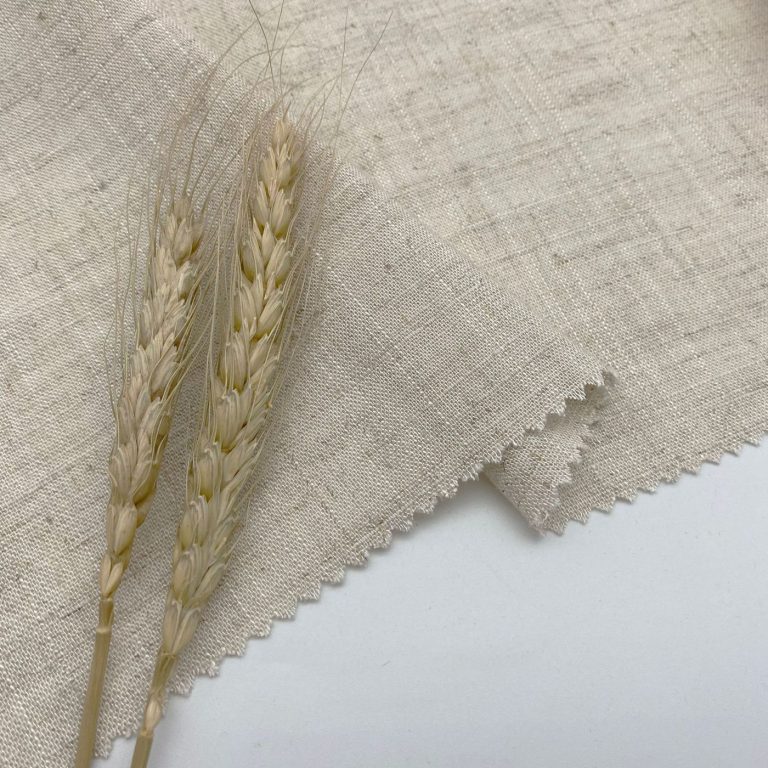
Three honest limits. Below about 220 GSM it will not hold a lapel roll without fusing, and fusing a slub cloth flattens the grain that is the reason for specifying it. Viscose loses roughly half its strength when wet, so specify a cold or warm wash with a line dry. And expect 3–6% shrinkage on the first wash unless the cloth has been pre-shrunk — approve a washed sample rather than greige.
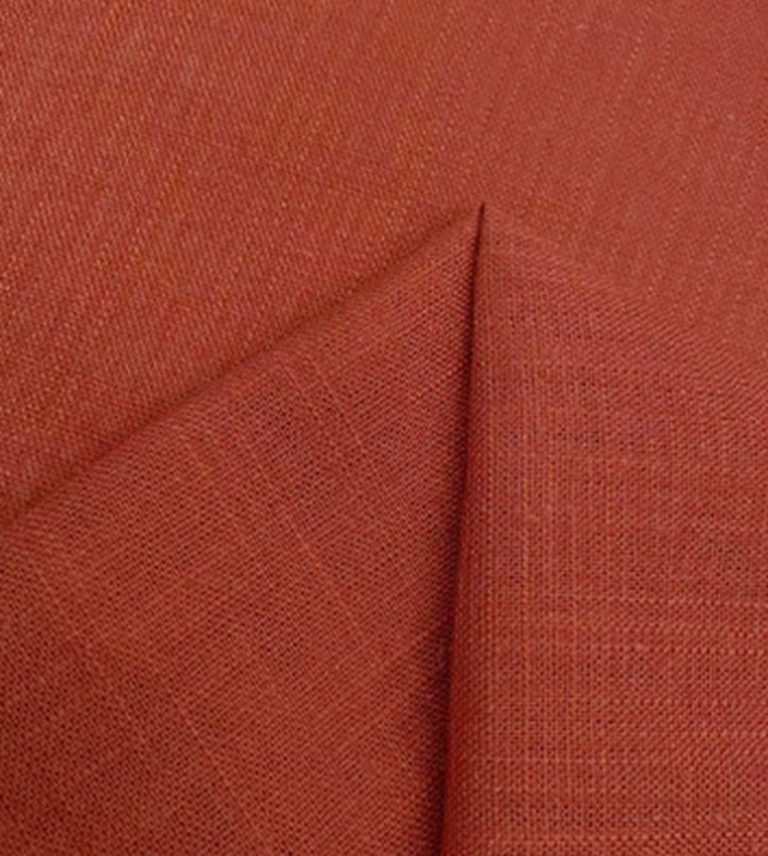
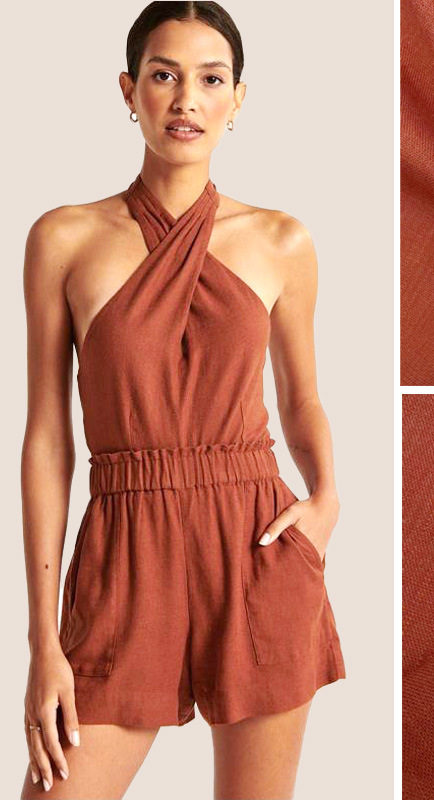
At 190 GSM this is the spring/summer tailoring weight. Below 150 GSM a cloth cannot hold a collar; above 220 GSM it stops working as a dress fabric. At 190 GSM it holds a collar, drapes as a dress, hangs as a trouser and stands as an unlined jacket.
Comfortable against the skin but firm enough that a collar stands without interfacing. The fine slub reads as a clean woven shirt, not a textured fabric.
The weight where a dress works. Viscose gives the cloth its fall, so a midi or maxi hangs in a clean line; flax keeps it cool.
Enough body to hold a waistband and hang clean down a wide leg without bagging at the knee. The co-ord set is where it earns its keep — viscose means the garments survive travel better than pure linen.
The cloth can carry an unlined jacket or overshirt. One honest boundary: below 220 GSM it will not hold a lapel roll without fusing, and fusing flattens the grain.
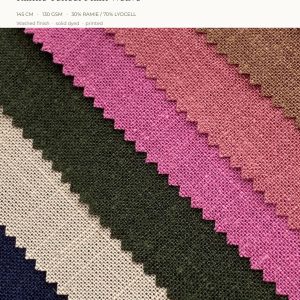
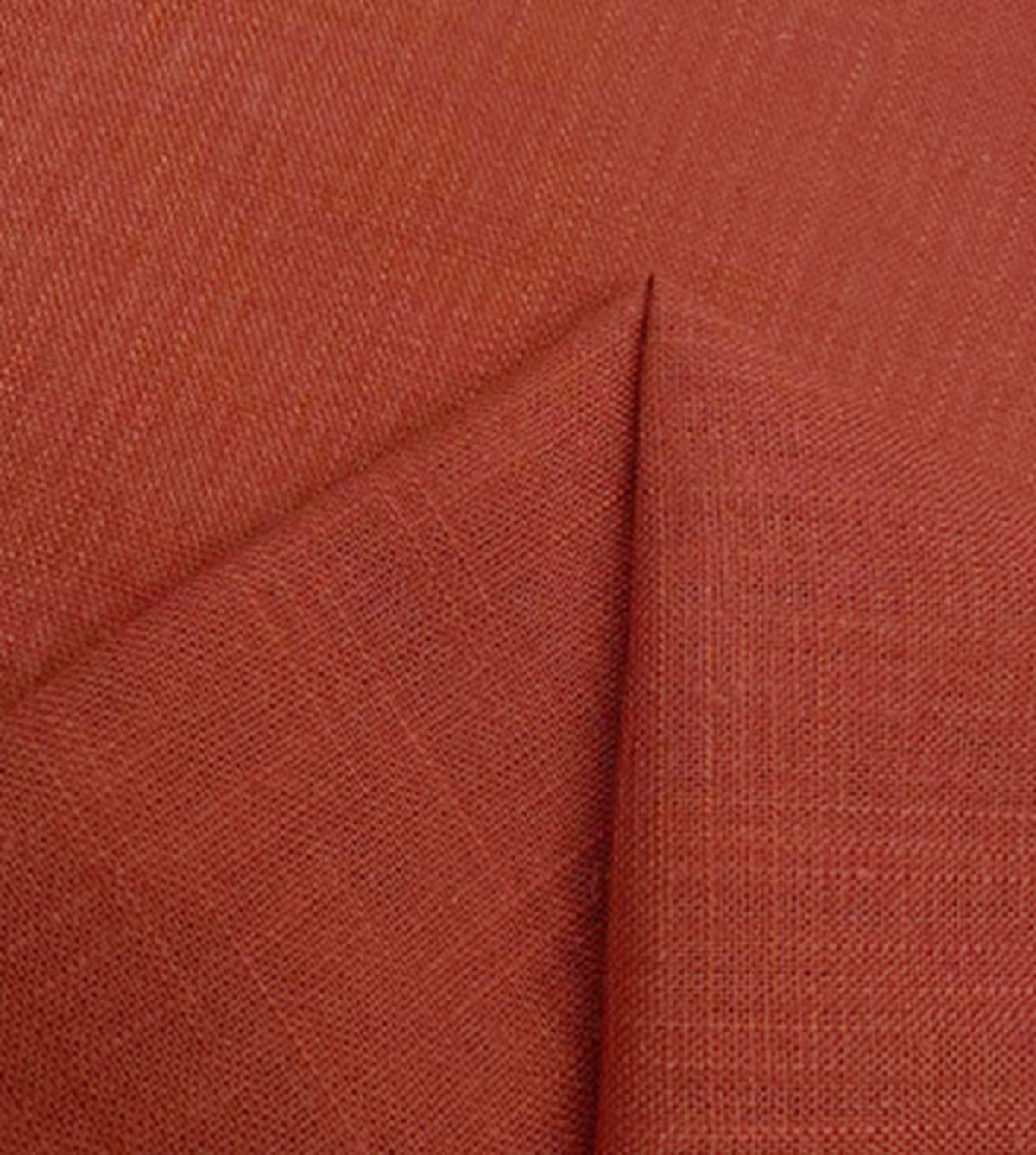
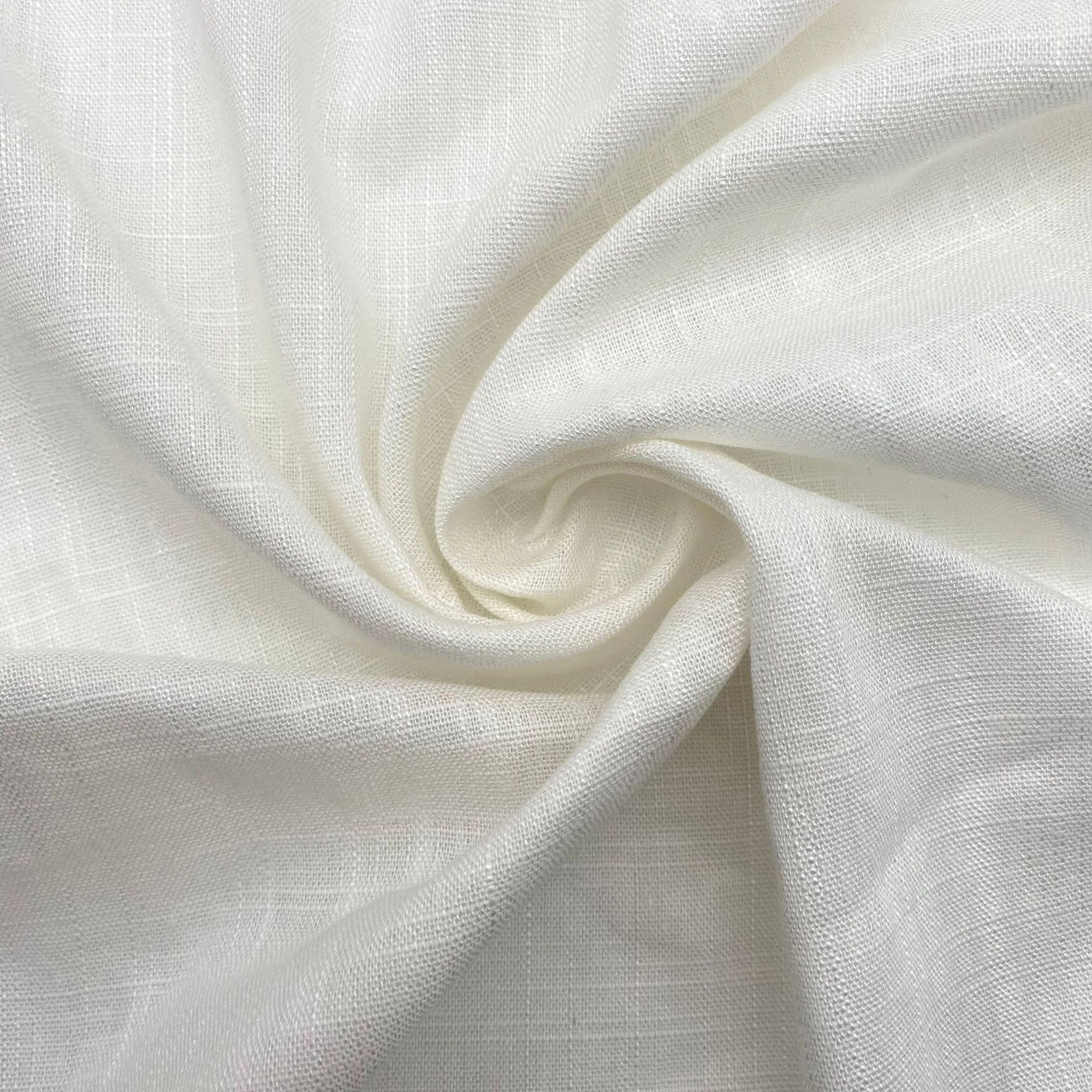
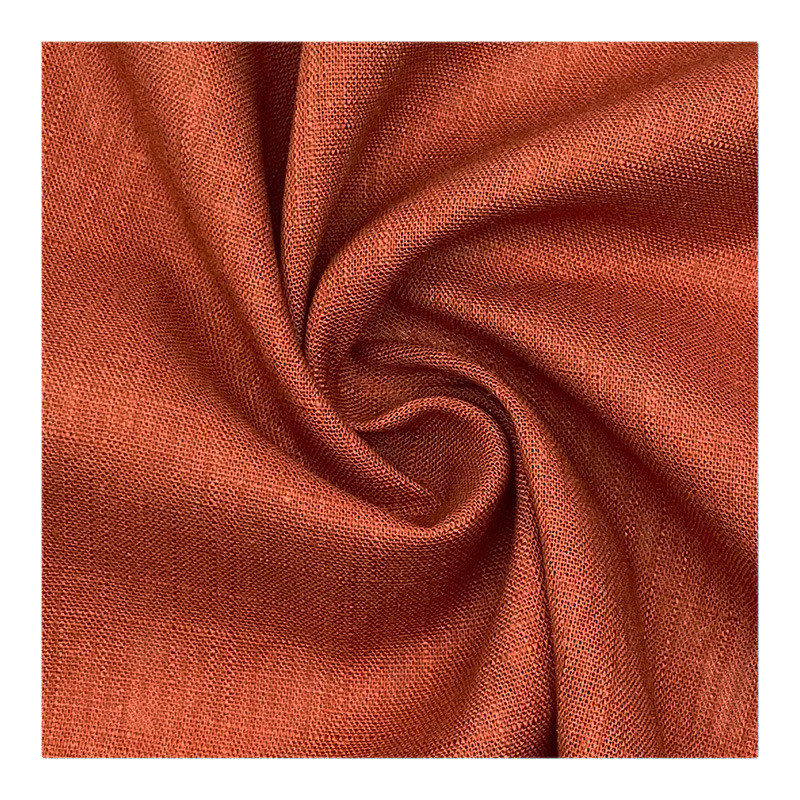
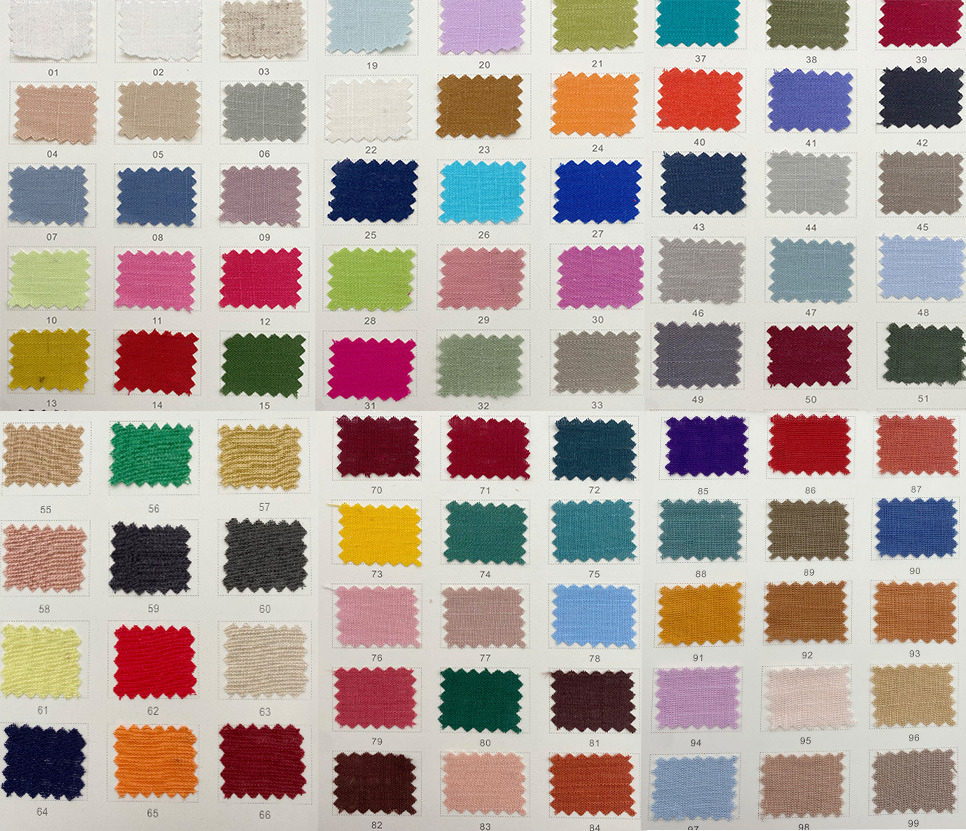
A full color card is held for this construction — 99 shades running from naturals, creams and greys through pastels, mid tones, olives, terracottas, deep blues and reds. Note that a slub cloth never reads as a flat single tone: the thick sections of the yarn take up dye differently from the thin ones, so each shade carries a soft speckled or rain-streak effect. That unevenness is the point of the yarn. Custom dyeing to Pantone TCX is available for development orders.
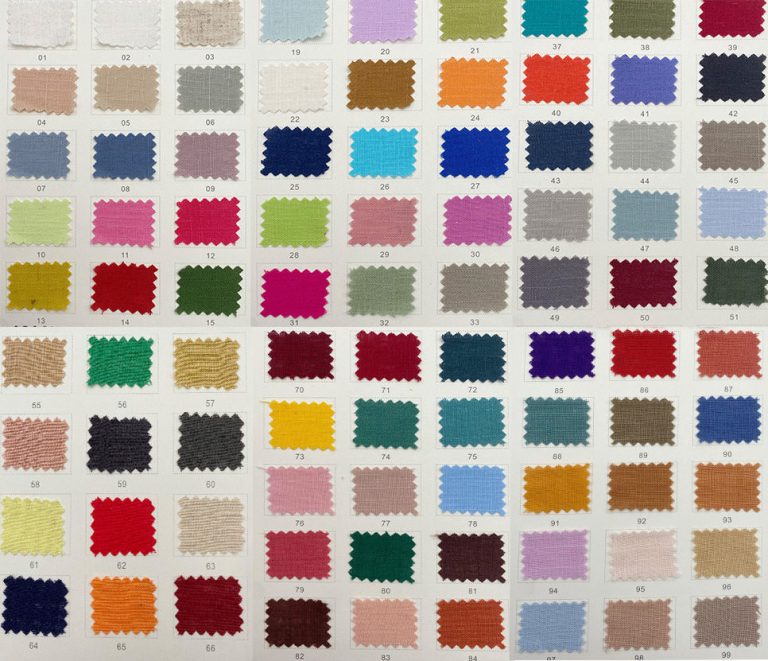
Hand and cutting samples are supplied before bulk, from stock greige or from a lab dip matched to your shade. We recommend approving the sample washed — the fabric shrinks 3 to 6% on the first wash, and viscose loses strength when wet.
Development runs around three points: yarn count and density, shade matched to Pantone TCX, and weight confirmed against the end use. This construction is also run as a digital print, so we support print development from your own design files. Small trial orders and custom development are supported for new customers.
| Service | Detail |
| Sampling | Hand sample and cutting sample before bulk |
| Lab dip | 3–5 shades against Pantone TCX or our own library |
| Greige | Full-width greige available on request |
| Development | Custom yarn count, density, weight, width and dyeing |
| Digital print development from your design files | |
| Stock range | 99 shades held on one full color card |
| MOQ | Negotiable |
FABRIC ENQUIRY
Ask about this fabric
Share your requirements and our team will reply within 24 hours.